
Many people view features such as air‑conditioning, cabin sealing and thermal management for battery‑electric vehicles merely as pleasant‑to‑have comfort extras. Yet in places like Turpan with scorching 50‑degree‑Celsius heat, wind‑swept gobi sand‑dust, thousand‑kilometre non‑stop highway trips and desert fringes, these functions are no longer luxury add‑ons. Instead, they mark the dividing line between “a car that can run” and “a car that keeps occupants safe”. As a battery‑electric performance coupe, the Xpeng P7 raises two distinct questions: can it survive desert‑style extreme heat, and is it built for desert off‑roading? The two should never be confused.
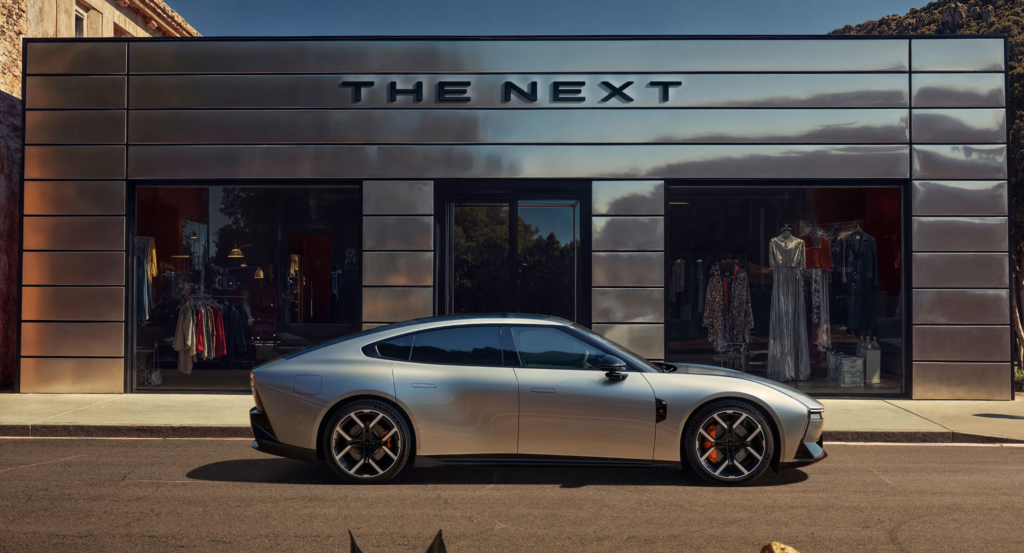
1. 50°C Extreme Heat: Thermal Management Is Not Luxury, But a Survival Baseline
When summer surface temperatures hit 50 °C, cabin temperatures after direct sunlight exposure can soar close to 70 °C. Two core vehicle systems are put to the test: the cabin air‑conditioning system and the comprehensive battery thermal‑management system.
For ordinary family vehicles, powerful air‑conditioning delivers nothing more than cooling comfort. Under 50 °C conditions, however, air‑conditioning failure creates real risk of heat‑related illness for passengers. Malfunctioning battery temperature control triggers power limitation, drastic charging‑speed drops or even safety protection modes. Under such circumstances, these become survival‑grade requirements rather than mere comfort options.
The Xpeng P7 has completed official extreme‑heat calibration tests in Turpan’s fiery climate, enduring scorching static sun exposure and sustained high‑load high‑speed driving. Powered by an 800 V full‑stack silicon‑carbide platform, its intelligent thermal‑management system dynamically allocates cooling capacity for the battery pack, motor heat dissipation and cabin air‑conditioning. This prevents overheating‑induced power cuts and severe charging‑speed degradation during prolonged high‑temperature operation.
- Cabin performance: Rapidly reduces cabin temperature after harsh sun exposure and blocks ultraviolet radiation to secure occupant thermal safety.
- Powertrain performance: During continuous high‑speed travel at 50 °C ambient temperature, the BMS monitors cell temperatures in real time. A liquid‑cooling circuit dissipates excess heat to hold batteries within their safe operating window and avoid abrupt power loss.
Objectively speaking: the Xpeng P7 is capable of operating in desert‑region 50 °C high‑temperature conditions, with its core electric hardware engineered for such thermal stress. This holds true for paved or reasonably‑maintained unpaved roads. It does not equate to capability for hardcore desert off‑roading. High temperature alone represents a thermal challenge; desert off‑roading combines heat, hostile terrain and the risk of vehicle entrapment.
2. Sand‑Dust Conditions: Sealing and Filtration — Critical for Human Health and Component Service Life
Wind‑blown sand and floating gobi dust are often dismissed as merely creating dirty interiors. This is a common misconception. Fine sand particles may infiltrate cabin gaps, bringing heavy particulate pollution that endangers occupants’ respiratory health. Sand can also penetrate chassis assemblies, brake assemblies and motor cooling channels, accelerating mechanical wear. In sand‑prone regions, vehicle‑body sealing and high‑efficiency cabin‑air filtration count as survival‑grade requirements instead of ordinary comfort features.
As a coupe, the Xpeng P7 incorporates sealing measures for door frames, engine bay and chassis structures, paired with sand‑capable cabin air filters. Scenarios must be differentiated:
- Long‑distance travel on paved roads through sand‑dust zones: Fully feasible. Closing windows and activating interior air recirculation blocks most airborne dust from entering the passenger compartment.
- Severe sandstorms or prolonged exposure to sand‑particle bombardment in dune zones: The coupe lacks full heavy‑duty sealing found on purpose‑built off‑road vehicles. Persistent high‑volume sand impact on chassis cooling components increases long‑term wear risk for brakes, suspension and heat‑dissipation assemblies.
Adequate dust isolation preserves occupants’ wellbeing in sand‑prone environments. Complete immunity against sustained heavy sandstorm erosion was never part of this urban‑oriented coupe’s design brief.
3. Long‑Distance High‑Speed Cruising: Behind Comfort Lies Continuous‑Load Reliability
During thousand‑kilometre highway journeys sustained at 110‑130 km/h, driver fatigue builds and vehicle components operate under heavy strain. Certain features including ergonomic seats and noise‑vibration‑harshness (NVH) optimisation improve travelling comfort. Even so, continuous battery discharge, constant motor output and high‑power air‑conditioning operation render stable thermal‑management performance a survival‑level priority. Thermal‑management system failure on highways can lead to power throttling and reduced speed, creating tangible road‑safety hazards.
Validated in high‑temperature 24‑hour endurance testing, the Xpeng P7’s 800 V architecture delivers consistent output under heavy loads. Its LCC cruise‑assistance substantially eases driver fatigue, while 800 V ultra‑fast charging mitigates long‑distance energy‑replenishment pain points.
High‑speed long‑haul travel represents one of the model’s strengths. Still, high‑speed driving combined with extreme heat causes predictable energy‑consumption increases and range reduction. Thorough charging planning remains indispensable, a universal reality for all battery‑electric vehicles.
4. Desert Off‑Roading: It Can Survive Desert Heat, but Hard Off‑Roading Is a Hard Limitation
A key boundary must be emphasised: the Xpeng P7 can endure 50 °C ambient temperatures in desert territories, yet it is not a desert‑capable off‑road vehicle and is unsuitable for intensive dune driving.
The updated Xpeng P7 features dual‑chamber air suspension with approximately 30 mm of lift range, yielding a maximum unladen ground clearance of roughly 142 mm. Dual‑motor variants are equipped with an escape mode and dTCS dynamic traction control for short‑term passage across mild gravel gobi tracks. Nevertheless, inherent coupe‑style constraints cannot be overcome:
- Limited ground clearance makes sand entrapment highly likely on soft dune surfaces. Once stuck, spinning wheels blast fine sand onto the battery pack, brakes and cooling circuits. The combination of high ambient temperature, abrasive sand and heat generated by wheel slip places extreme stress on electric assemblies, potentially triggering thermal protection or permanent chassis‑component damage.
- Factory specifications omit off‑road‑grade sand shields, heavy‑duty underbody protection and all‑terrain tyres. Dune off‑roading demands long‑travel suspension, specialised sand‑proof sealing and off‑road‑optimised tyres — none of which belong to the Xpeng P7’s original product positioning.
- Charging infrastructure is virtually non‑remotely available deep within desert zones. Even if hardware could withstand the climate, energy replenishment would become a fatal practical bottleneck.
In short: You may drive the Xpeng P7 on paved desert‑perimeter roads and cope with local 50 °C heat. Do not attempt hardcore dune bashing or desert off‑road manoeuvres with this vehicle.
5. Survival‑Grade Necessities vs Ordinary Comfort Features
| Scenario | Survival‑Grade Requirements (Protect Occupants & Hardware) | Regular Comfort Features | Xpeng P7 Real‑World Performance |
|---|---|---|---|
| 50 °C High Temperature | Intelligent battery thermal management, thermal‑runaway safeguards, robust high‑output air‑conditioning | Ventilated seats, interior fragrance, ambient lighting | ✅ Reliable operation under extreme ambient heat; effective cabin cooling after intense sun exposure |
| Sand‑Dust Environment | Body‑shell sealing, high‑efficiency air filtration, dust resistance for key chassis parts | Interior fragrance, acoustic tuning | ✅ Handles floating dust on paved routes; prolonged heavy sand exposure raises wear risk; not built for intensive dune play |
| Long‑Distance High‑Speed Travel | Sustained powertrain reliability, stable thermal control, driver‑fatigue‑reducing driving assistance | Massage seats, premium audio, high‑grade trims | ✅ Well‑suited for highway long‑haul travel; 800 V fast‑charging available; range reduction under high‑speed hot conditions is normal |
| Desert Off‑Roading | High ground clearance, heavy‑duty underbody protection, sand‑proof engineering, off‑road tyres, remote charging capability | Spacious cabin, infotainment functions | ⚠️ Acceptable for desert‑edge paved roads; hardcore desert dune off‑roading is prohibited, constrained by inherent coupe chassis geometry |
Closing Thoughts
Nowadays many new‑energy carmakers tend to market survival‑critical hardware as pure comfort selling points. Air‑conditioning, thermal management and body sealing feel like conveniences during city commutes. In extreme‑heat and sand‑blown gobi landscapes, they become bottom‑line survival safeguards. As a high‑performance electric coupe, the Xpeng P7’s hardware copes with 50 °C desert‑region ambient climate and qualifies for high‑temperature long‑distance road trips. Its coupe‑origin chassis architecture, however, rules out desert off‑road capability.
When evaluating vehicles for extreme‑environment use, distinguishing between “a car that can operate within a climate” and “a car built for off‑roading in that terrain” is the mark of objective assessment.