
Most car enthusiasts know the Haval Raptor for its Hi4 plug‑in hybrid variant. The later‑released 2.0T pure‑petrol model targets buyers with no home‑charging access, frequent long‑distance road trips and regular drives to remote areas. It retains the iconic boxy design together with four‑wheel drive and a rear mechanical locking differential. Yet its power delivery, ride quality and running costs differ sharply from the PHEV variant. It eliminates the PHEV’s poor performance under low‑battery conditions while bringing typical trade‑offs of conventional fuel‑powered SUVs.
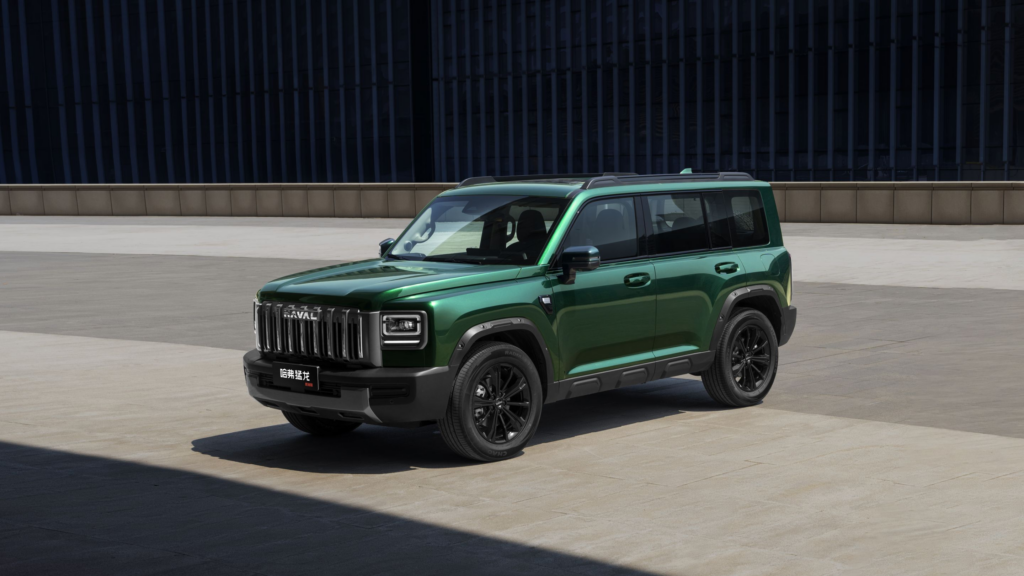
Exterior & Interior: Revised Front Fascia, Same Cabin Foundation
Nearly all side‑profile and rear‑end dimensions carry over from the PHEV unit: 4800 mm body length, 2738 mm wheelbase, spare‑tire swing‑gate and flared wheel arches. Its rugged aesthetic and aftermarket modification potential remain fully intact.
Key visual differences sit at the front. The petrol version adopts vertical‑slat mountain‑style grilles and square tenon‑shaped LED headlamps, replacing the PHEV’s signature round retro lamps for a tougher, more minimalist appearance.
Inside, layout, screen hardware and off‑road interface are consistent with the hybrid model. Drivers get a 14.6‑inch central display, Coffee OS 3 infotainment, off‑road control knobs and real‑time telemetry including body pitch‑roll angles and differential‑lock status. Hard plastics dominate the dashboard and door panels; premium finishes are limited. Space performance stays unchanged. Front‑seat headroom is generous thanks to the boxy body shape, yet rear‑seat cushions are relatively short, offering insufficient thigh support on long journeys. The cargo area is practical, though the rear‑mounted spare tire narrows rearward visibility.
Without the heavy hybrid battery pack beneath the floor, the petrol‑model curb weight drops to 1 830 kg, directly influencing fuel consumption and driving dynamics.
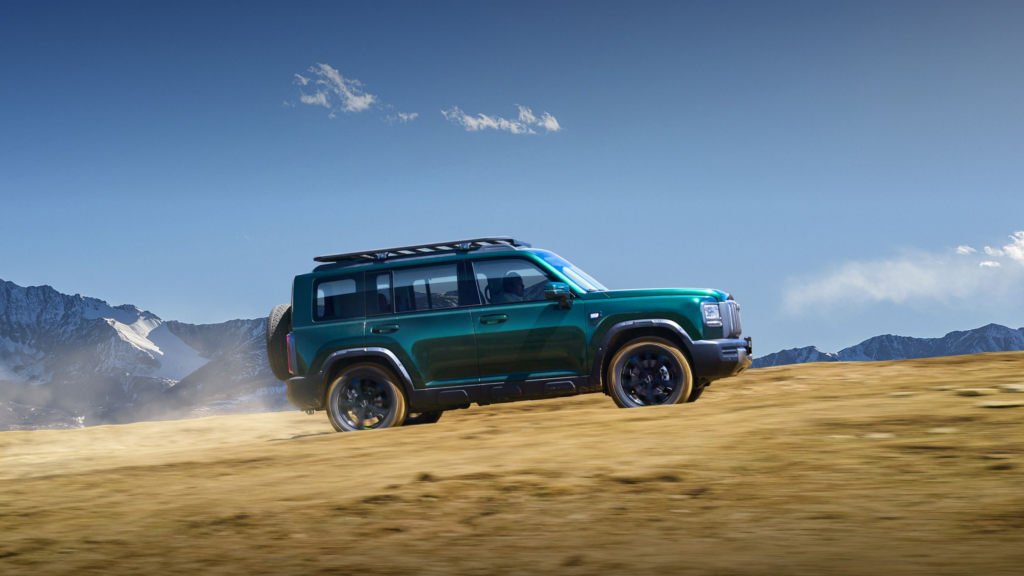
4800 mm body length, 2738 mm wheelbase
Powertrain & Driving Experience: 2.0T + 9DCT. No EV‑grade Quietness, But Consistent Performance
Power comes from a high‑output 2.0‑liter Miller‑cycle turbo engine delivering 238 hp and 385 N·m, paired with Great Wall’s in‑house 9‑speed wet dual‑clutch transmission. Four‑wheel drive and rear electronically‑controlled mechanical locking differential are standard across trims; only comfort‑oriented features differ between grades. Zero‑to‑100 km/h acceleration clocks in at 8.1 seconds. It runs on 92‑octane gasoline; 95‑octane fuel yields marginal improvements in anti‑knock performance and peak output.
In urban traffic, torque arrives early and throttle response is direct. The 9DCT is calibrated for everyday use, shifting up promptly for general driving. Mild transmission hesitation can occur during low‑speed stop‑and‑go congestion, a common trait of wet dual‑clutch gearboxes rather than mechanical failure.
At highway speeds above 100 km/h, boxy‑body aerodynamics generate noticeable A‑pillar wind noise alongside elevated tire noise, so cabin quietness falls behind mainstream family SUVs. Engine noise becomes prominent under hard acceleration.
Real‑world fuel figures deviate from lab‑cycle data. Official combined fuel consumption stands at 8.45 L/100 km. Normal city commuting returns 9‑10 L/100 km. Steady highway cruising yields 8‑8.8 L/100 km. Heavy loads, hill climbing or constant off‑road driving can push consumption to 11‑12 L/100 km, a natural consequence of vehicle weight and poor aerodynamics.
Its biggest advantage over the PHEV: there is no low‑battery degradation scenario. During high‑altitude travel, continuous hill climbing or long overland trips, drivers avoid the loud engine‑forced charging that troubles depleted hybrid units. Power output remains predictable, and drivers face no range‑anxiety related to charging infrastructure.
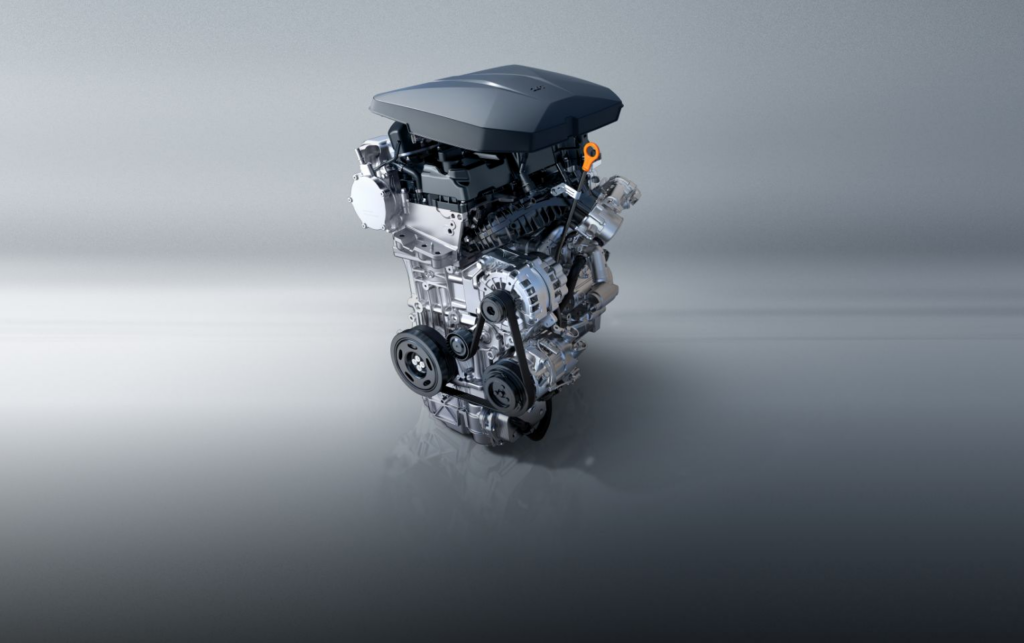
GWM independently developed a new generation of 2.0T high-power engine
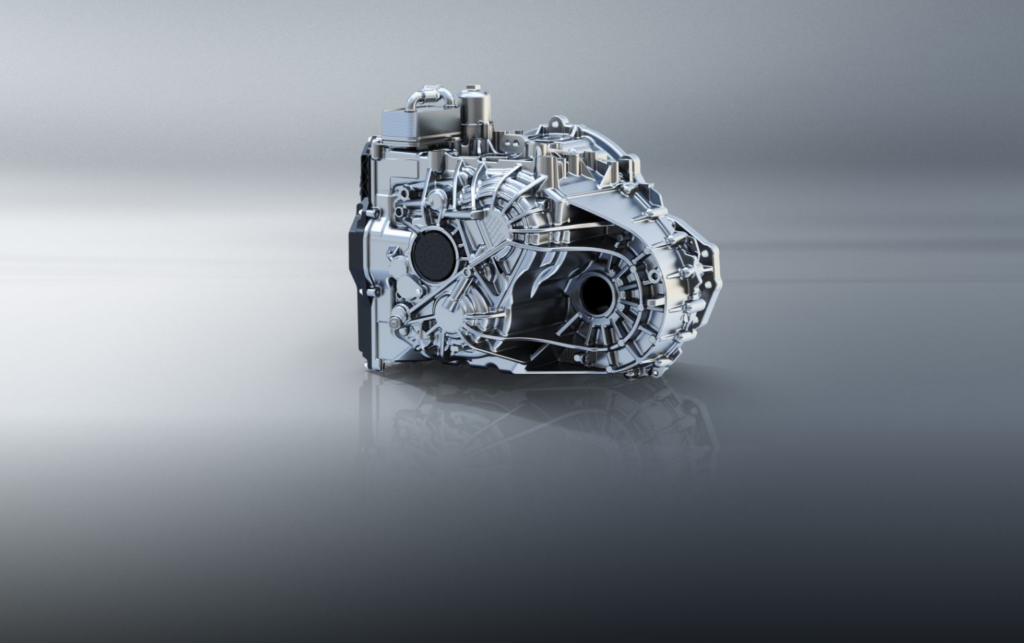
Transverse 9DCT wet dual-clutch transmission
Off‑Road Performance: Matching Hardware, Unchanged Unibody‑Chassis Limits
Off‑road hardware mirrors the PHEV specification. The rear mechanical lock delivers full‑wheel‑lock capability. Snow, mud, sand drive modes and crawl‑control are all available. Ground clearance, approach angle and departure‑angle specifications remain comparable.
On dirt tracks, rutted surfaces and muddy post‑rain trails, engaged 4WD and rear‑lock deliver far better escape capability than ordinary city‑oriented SUVs. Light‑duty off‑roading and campsite access are handled confidently.
Crucially, it still uses a unibody chassis without a heavy‑duty ladder frame. It suits weekend camping, rural rough roads and cross‑country journeys. It is not built for rock crawling or intense desert driving. Body‑structure limits are identical to the PHEV Raptor. Factory‑fitted highway tires work best on pavement; AT‑pattern tires are recommended for frequent off‑road use.
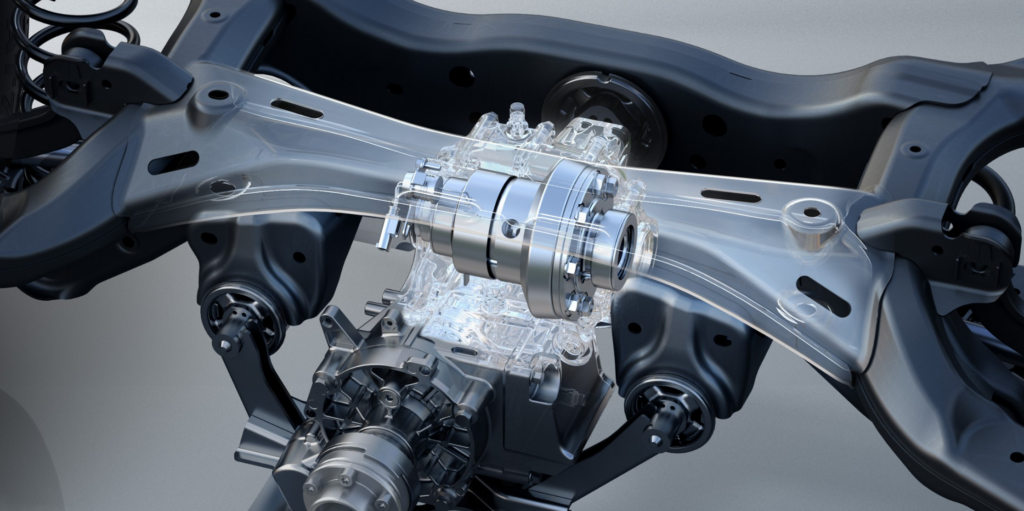
Rear axle electronically controlled mechanical toothed differential lock
Real‑World Drawbacks to Consider Before Purchase
- Relatively high fuel costs. 9‑10 L/100 km city consumption is typical; running expenses are substantially higher than a home‑charged PHEV.
- Medi‑ocre NVH. Engine noise under hard acceleration plus highway wind‑ and tire‑noise reduce cabin refinement.
- Minor low‑speed 9DCT stutter in heavy traffic.
- No PHEV‑exclusive functions: zero‑emission driving and vehicle‑to‑load camping power supply are absent.
- Isolated interior‑rattle complaints exist among owners. Test‑drive over bumpy surfaces and inspect for cabin noises.
Haval Raptor: Petrol vs PHEV — Which One Should You Choose?
✅ Pick the gas‑only Raptor if:
- You have zero access to home charging and want to avoid PHEV low‑battery noise and fuel‑penalty issues.
- You frequently travel long‑distance, drive in high‑altitude or remote regions with sparse charging points.
- You value mechanical reliability and wish to bypass battery‑pack maintenance concerns.
- You want standard 4WD plus rear differential lock within a constrained budget.
✅ Pick the PHEV Raptor if:
- Home charging installation is feasible, and most trips take place inside cities.
- You want low‑cost daily mobility, EV‑level quietness and camping external power output.
- You make occasional long trips with accessible public charging stations.
Note: The petrol variant carries a lower purchase price yet higher lifetime fuel expenditure. Cost advantages of the PHEV version only materialize with regular charging.
Trim selection: Two petrol trims are offered. Pro grade delivers full 4WD and off‑road hardware. Ultra adds panoramic sunroof and extra comfort features. Off‑road hardware does not get cut on the base model.
Conclusion
The Haval Raptor petrol version strips out hybrid motors and battery packs while retaining the bold boxy styling and complete off‑road mechanical kit.
It fixes the PHEV’s worst pain point — degraded driving experience in low‑battery conditions — and feels more reassuring for long‑distance wilderness travel. Trade‑offs include higher fuel bills, poorer sound insulation and loss of EV‑related camping conveniences.
This model targets buyers who love the Raptor’s rugged look and light‑off‑road potential yet cannot access charging. Do not compare it to a fully‑charged PHEV for quietness and efficiency. Also do not mistake its rear differential lock for proof of heavy‑duty off‑road credentials. Understand your usage scenarios: it is a mechanically‑focused family‑oriented light‑off‑road SUV.