
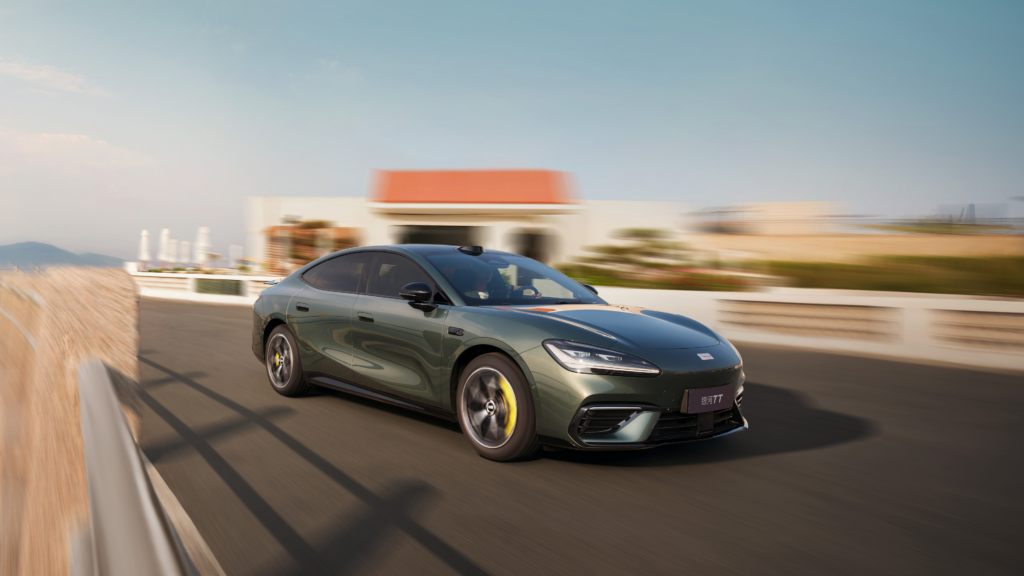
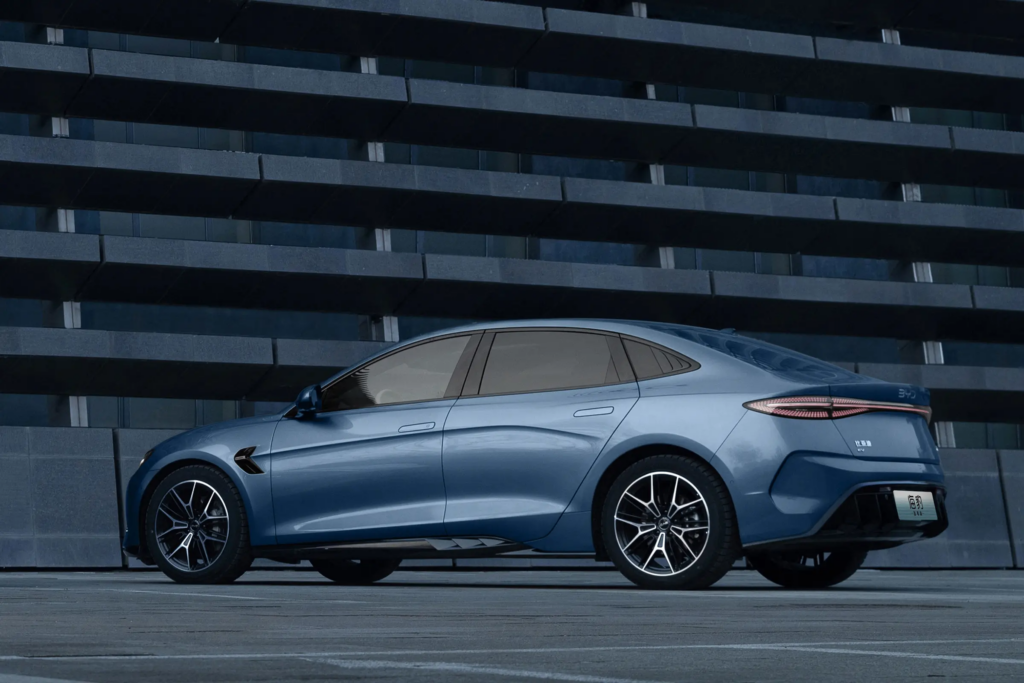
For a long time in the all-electric coupe segment, buyers needed a budget of over 200,000 CNY(29,000$) to get an 800V platform, fully aluminium double-wishbone suspension and a large fastback with frameless doors. After its launch, the Geely Galaxy TT lowered the entry price for such hardware to 129,900 CNY(19,000$). Upon release, it was immediately compared against the Xiaomi SU7 and MG07 EV. Meanwhile, at the 150,000 CNY(22,000$) price bracket, it competes head-on with established popular models including the BYD Seal and Deepal SL03. Let’s break down the real capability, strengths and weaknesses of the Galaxy TT based on hardware specifications and real-world usage scenarios.
I. Core Comparison: Galaxy TT vs Xiaomi SU7 & MG07 EV
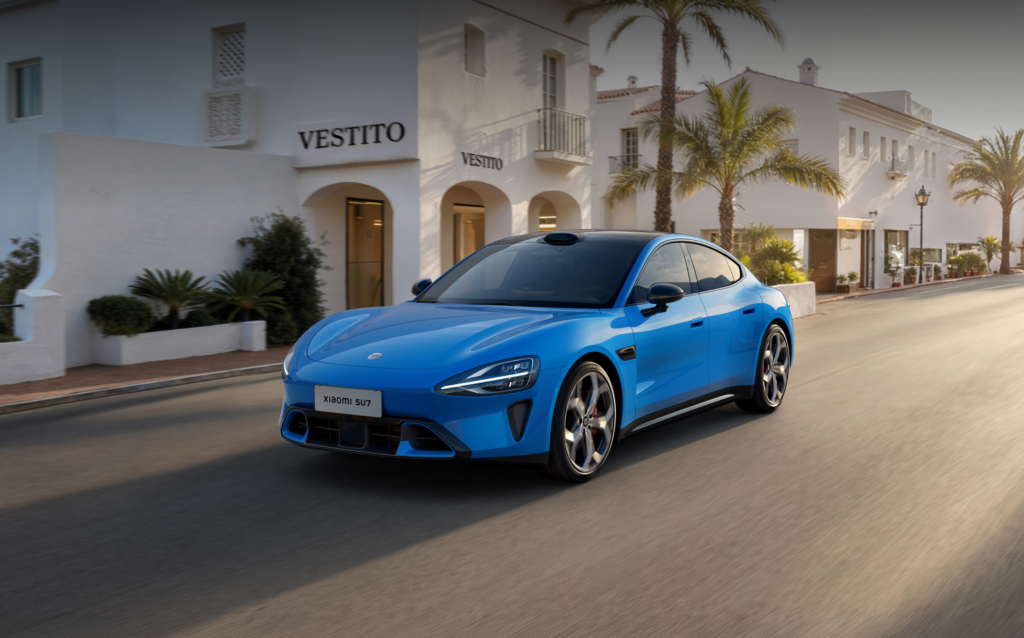
All three models are sporty electric coupes with fastback silhouettes and frameless doors, making them the most widely-discussed rivals online. The Xiaomi SU7 focuses on high performance and brand popularity; the MG07 EV targets long range and large hatchback storage. The core proposition of the Galaxy TT is delivering an 800V platform and fully aluminium double-wishbone suspension as standard across the lineup at a lower price point.
| SPEC | Geely Galaxy TT (640km RWD) | Xiaomi SU7 RWD Standard | MG07 EV Long Range |
|---|---|---|---|
| Limited Launch Price | Starting from 129,900 CNY(19,000$) | Starting from 219,900 CNY(32,000$) | Starting from 149,800 CNY(22,000$) |
| Dimensions | 2920mm4999×1919×1479mm, wheelbase 2920mm | 3000mm4997×1963×1440mm, wheelbase 3000mm | 2915mm4884×1890×1447mm, wheelbase 2915mm |
| Platform | high-voltage SiC platform, 6C ultra-fast charging | 800V platform, 3.5C charging | 800V platform, 5C ultra-fast charging |
| Suspension | Front fully aluminium double-wishbone + rear five-link (standard for all trims) | Front double-wishbone + rear five-link | Front MacPherson + rear five-link |
| CLTC Range | 640km (725km for higher trims) | 720km | 845km |
| 电池 Battery | CATL Shenxing TT battery, 63.8kWh | 73kWh | Large-capacity battery |
| 核心亮点 Key Strengths | Full-spec hardware on base trim, premium chassis, optional LiDAR-assisted driving, fast charging | Higher motor torque, quicker 0-100km/h acceleration, mature infotainment ecosystem, strong brand awareness | Large hatchback cargo space, ultra-long range, drag coefficient 0.21Cd |
| 短板 Weaknesses | Lower motor torque, slower acceleration than SU7; relatively new brand legacy | High entry price, much higher total cost of ownership | Lower-tier suspension architecture, no fully aluminium double-wishbone |
The Xiaomi SU7 excels in dynamic performance, with stronger motor torque, punchier acceleration, a refined infotainment system and solid brand reputation, yet it costs nearly 90,000 CNY(13,000$) more. The Galaxy TT matches the SU7 in chassis hardware with standard fully aluminium double-wishbone suspension across all versions. It also features a higher 6C charging rate, reaching 10%-80% SOC in as fast as 11.6 minutes for superior charging efficiency, though its performance falls behind the SU7.
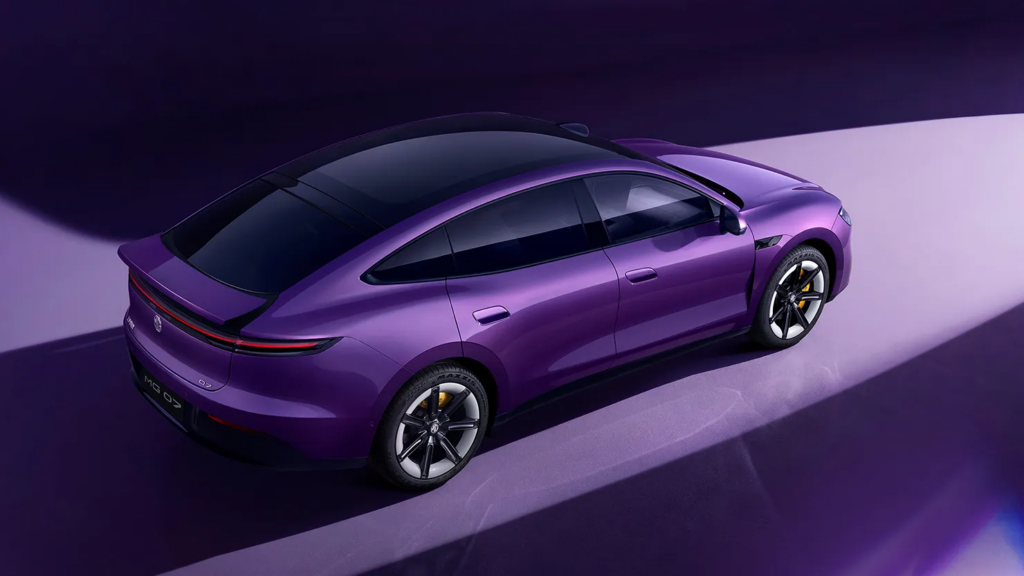
The MG07 EV’s selling points lie in its ultra-long driving range and large hatchback boot, which is convenient for moving and carrying bulky cargo. However, it adopts front MacPherson suspension, which is inferior to the Galaxy TT’s fully aluminium double-wishbone setup in terms of handling limits. To sum up: pick the MG07 EV if you prioritise maximum range and cargo capacity; choose the SU7 if you have a larger budget and crave acceleration plus a mature brand ecosystem; if budget is tight and you want premium chassis hardware plus 800V fast charging, the Galaxy TT offers better value.
II. Rivals at Similar Price: BYD Seal & Deepal SL03 — Pros and Cons of Galaxy TT
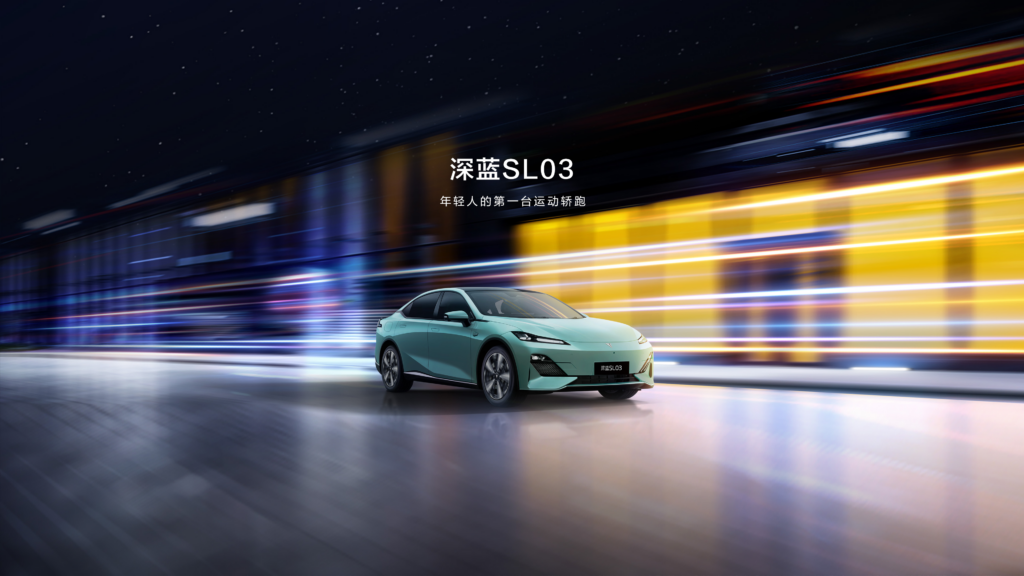
Within the mainstream 130,000–180,000 CNY(19,000-26,000$) price bracket, the BYD Seal and Deepal SL03 are the Galaxy TT’s most direct competitors. These two models have been on sale for years with large vehicle fleets and well-established service networks. As a newly launched model, the Galaxy TT boasts impressive hardware specs yet carries typical drawbacks of brand-new vehicles.
✅ Core Advantages of Galaxy TT vs Seal & SL03
- 1. Standard 800V high-voltage platform across all trims
The entry-level BYD Seal and Deepal SL03 both use a 400V architecture. The Galaxy TT is equipped with an 800V silicon carbide platform and 6C ultra-fast charging even on its base trim. It delivers noticeably faster charging at highway service stations, bringing clear advantages for long-distance trips.
- 2. Higher-grade chassis hardware
The Galaxy TT comes with fully aluminium front double-wishbone suspension as standard, while entry-level trims of the Seal and SL03 use steel MacPherson struts. The aluminium double-wishbone structure delivers better roll control in corners, improved vibration filtering and higher handling limits. Media tests recorded an 83 km/h moose test result for the Galaxy TT, ranking it among top performers in this price segment, balancing sporty handling and everyday comfort.
- 3. Oversized body dimensions with solid interior space
Nearly 5 metres long with a 2920mm wheelbase, the Galaxy TT has an optimised fastback profile that avoids excessive sacrifice of rear headroom. It also features a frunk, temperature-controlled storage compartment and hidden cubbies for versatile storage.
- 4. Accessible LiDAR intelligent driving
The 139,900 CNY(20,000$) trim can be fitted with LiDAR plus Qianli Haohan H5 intelligent driving system, enabling urban NOA. To obtain high-level assisted driving on the Seal and SL03 at a similar budget, buyers must upgrade to higher-priced trims with higher hardware costs.
❌ Weaknesses of Galaxy TT vs Seal & SL03
Limited real-world market validation
The Seal and Deepal SL03 have years of market presence and a large user base; their powertrain, battery and chassis reliability and common minor faults have been well proven by many owners. As a brand-new model, the Galaxy TT’s long-term durability and OTA maturity remain untested, and its resale value will likely lag behind BYD and Changan in the short run.
Sport-tuned chassis compromises ride comfort
Despite premium chassis hardware, its tuning leans sporty. It feels firm over speed bumps and rough roads. Compared with the family-friendly, comfort-oriented setup of the Seal, elderly passengers and children may notice more vibration on long rides.
Less extensive after-sales network
BYD boasts a dense service network covering even county-level towns. Deepal leverages Changan’s service outlets, which also outnumber Geely Galaxy’s. Galaxy service points are concentrated in first- and second-tier cities, making maintenance less convenient in third- and fourth-tier areas.
Modest peak power output
The rear-wheel-drive variant has conservative motor specifications and less punchy acceleration than the RWD BYD Seal. Buyers seeking strong thrust may find it underwhelming.
III. Who Should and Should Not Buy It
Target Buyers: Buyers with a 130,000–180,000 CNY(19,000-26,000$) budget, who value 800V fast charging and premium chassis hardware, frequently take long highway trips, favour coupe styling, want high-level assisted driving, are open to new models and mostly drive on paved urban or highway roads.
Not Recommended For: Buyers who prioritise long-term resale value, often drive on rough roads, require widespread local service centres, demand ultra-smooth ride quality or are reluctant to try newly launched vehicles.
Overall, the Galaxy TT is not merely a budget substitute for the Xiaomi SU7. It brings core hardware of premium coupes down to the 130,000-yuan price range. Its strengths lie in generous hardware specification, fast charging and high-tier chassis, while its weaknesses include unproven long-term reliability, sport-biased suspension and a smaller after-sales network compared with established rivals. Your priorities decide the pick: test drive the Galaxy TT if hardware value for money matters most. If you prefer proven reliability and strong resale value, the Seal and Deepal SL03 are safer choices.