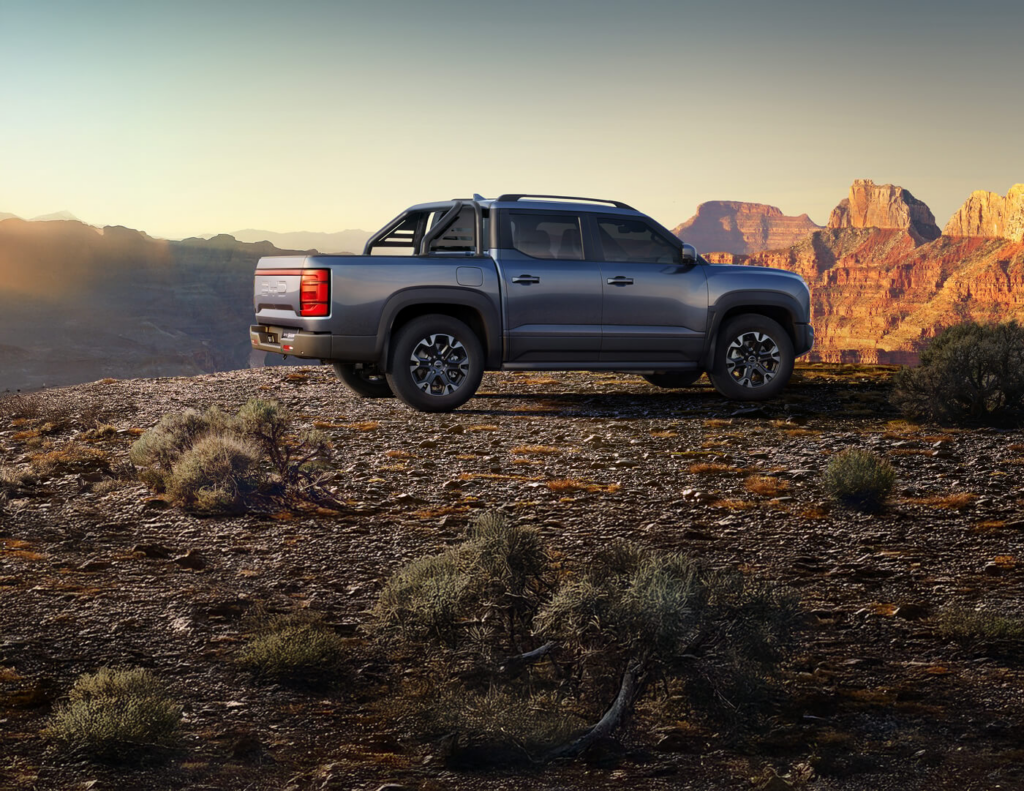
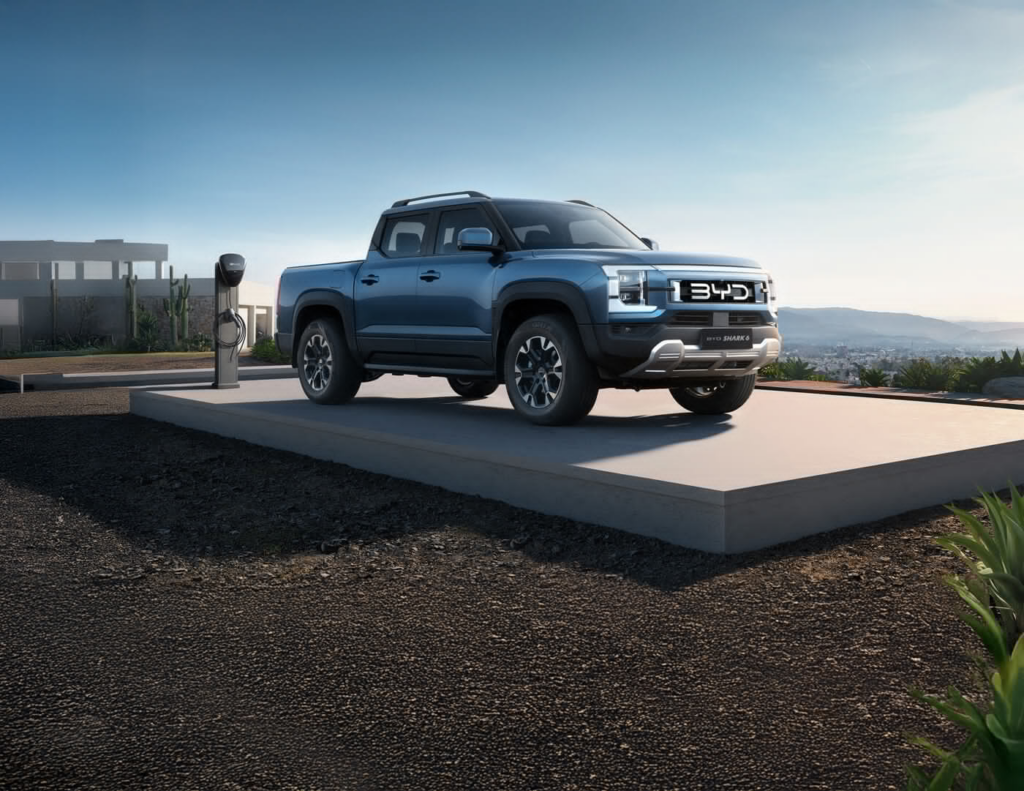
The pickup truck market has long been dominated by diesel workhorses. Some are built purely for hauling cargo with poor ride comfort, while others focus on off-roading but come with high daily operating costs. Built on BYD’s DMO Super Hybrid Off-Road Platform, the BYD Shark is an all-scenario new energy pickup. In terms of durability, load & towing capacity and power output, it takes a different approach from conventional fuel pickups. It can handle tough worksite tasks while serving as a daily family vehicle.
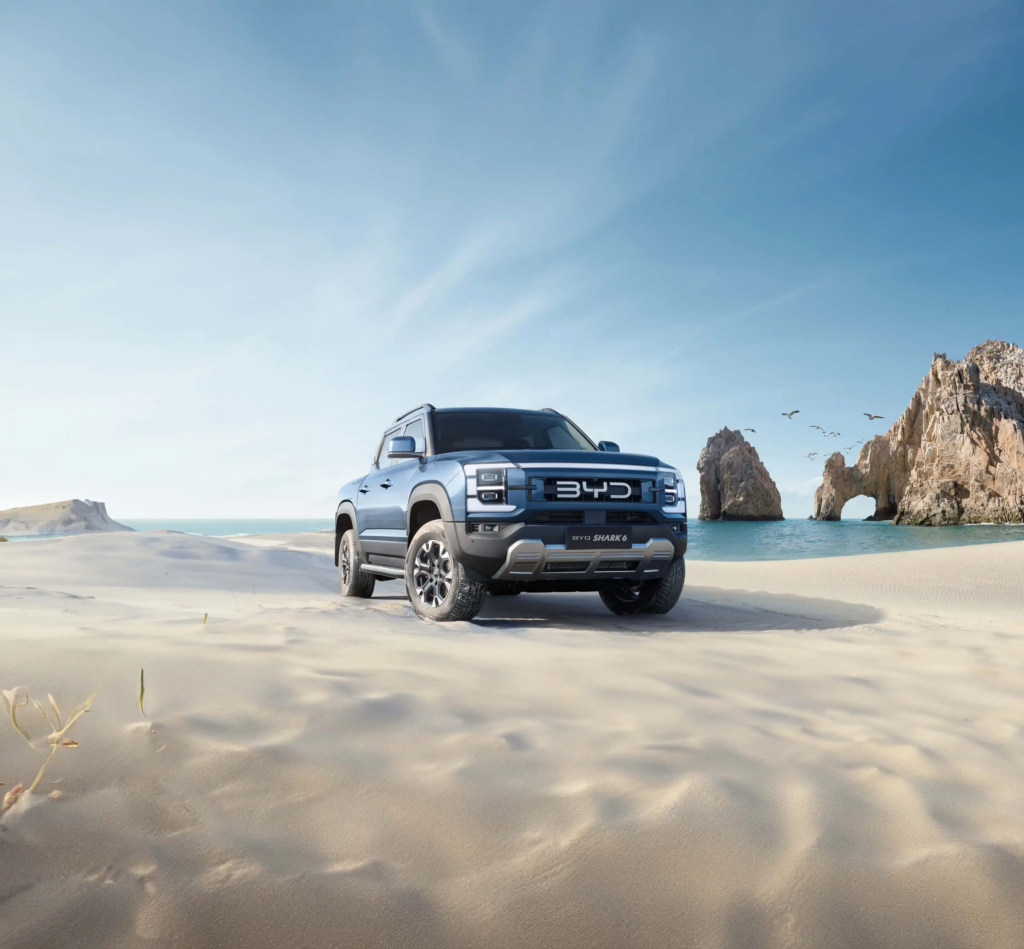
BYD SHARK
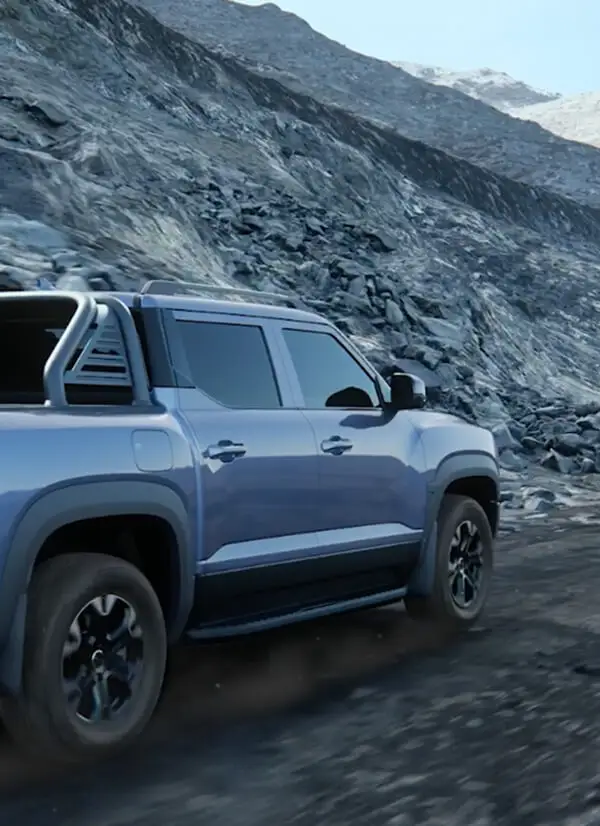
1. Durability: Robust Build for High Temperatures, Sand, Dust & Gravel Roads
The Shark adopts a body-on-frame construction combined with CTC (Cell-To-Chassis) battery-chassis integration technology. The frame delivers a 22% increase in overall rigidity, constructed from high-strength steel. It resists body loosening, abnormal rattles and deformation under prolonged bumpy and heavy-load conditions, laying the foundation for tackling rough off-road terrain.
Its powertrain features a longitudinal 1.5T hybrid-specific engine. Unlike traditional diesel pickups, this engine mainly acts as a range extender. For most short urban trips, the truck runs in pure electric mode, reducing engine start-stop cycles and idling wear. Equipped with a thermal management system for the Blade Battery, it has been tested in high-temperature regions such as the Middle East and Australia. The battery system maintains stable operation under prolonged sun exposure and mitigates performance degradation caused by extreme heat. A large heavy-duty steel skid plate under the chassis protects the engine, battery pack and fuel lines from impacts on gravel and washboard roads.
The air intake system is optimized for dust resistance. In desert crossing tests in Australia, it shows a lower risk of dust ingestion compared with regular urban SUVs after long hours driving over sandy and dusty terrain. It uses double-wishbone independent suspension at both front and rear axles. Compared with conventional pickups with rear leaf springs, it offers sufficient suspension travel. The suspension continuously absorbs impacts on continuous gravel roads and undulating washboard surfaces, preventing premature shock absorber overheating and failure. It is worth noting that independent suspension cannot match leaf-spring work pickups in long-term heavy-load durability. Regular inspections of chassis bushings and ball joints are required if you frequently drive fully loaded on severe rough roads.
The body paint and chassis pipelines are treated for corrosion resistance, making it suitable for worksites and farms with heavy mud and sand. However, the cargo bed is bare steel. It will suffer scratches and paint peeling if you regularly load sharp construction materials or gravel. Installing a bed liner is recommended for long-term use.
2. Load & Towing Capacity: Practical Cargo Hauling, Ready for Caravans & Farm Implements
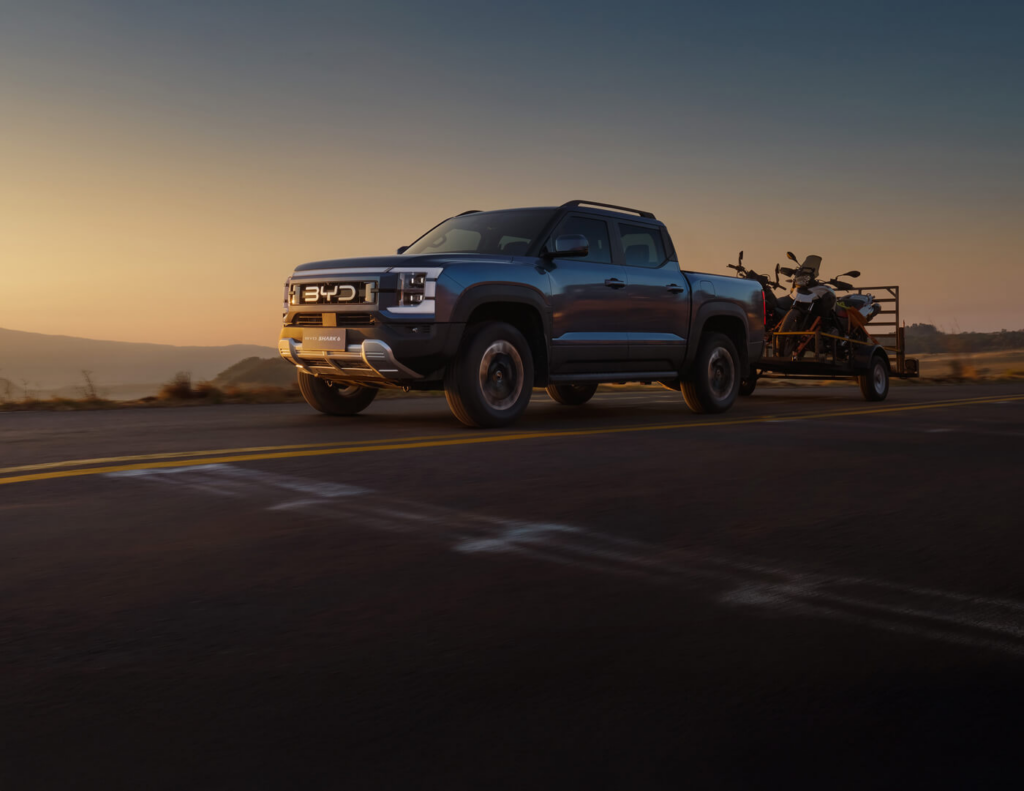
The overseas version of the BYD Shark has a rated payload of approximately 790–835 kg. The China-certified 5-seat double-cab variant has an inner cargo bed dimension of 1520×1530×515 mm and a bed volume of roughly 1200 L. It can carry construction materials, farm machinery parts, two off-road motorcycles or full camping gear, meeting daily hauling demands for self-employed operators and farms.
For towing, the maximum braked towing capacity reaches 2500 kg, while unbraked towing is rated at 750 kg. Factory pre-installed mounting points and trailer wiring harness interfaces are reserved. Once fitted with an optional tow hitch, it can pull caravans, small yachts and farm trailers for long-distance outdoor trips. The currently China-homologated variant is a 5-seat double cab. A bare chassis version is available in overseas markets, and a single-cab variant may be launched later, which features an extended cargo bed for higher cargo capacity.
The factory cargo bed is a basic steel tub without built-in reinforced lining, a common design for work vehicles. If you frequently load stone, metal profiles and other sharp heavy goods, additional accessories such as roll bars, bed liners and cargo tie-down points are needed to boost bed impact resistance. The gross vehicle weight (GVW) stands at 3500 kg. Never exceed the rated payload; overloading shortens suspension service life and increases braking distance, same as all pickup trucks.
3. Powertrain Performance: Instant High Torque & High-Power V2L External Discharge
This DMO hybrid system consists of a longitudinal 1.5T hybrid engine plus front and rear dual motors. The combined peak torque hits 650 N·m with a total system output of 321 kW (around 436 hp), achieving 0–100 km/h acceleration in 5.7 seconds. The biggest difference from fuel pickups is that electric motors deliver torque instantly. When starting, climbing or towing heavy loads, there is no need to rev the engine high. Low-speed off-road rescue and heavy-load takeoff become smoother, without the lag and loud noise typical of diesel engines.
It carries a 29.58 kWh battery pack with an NEDC pure electric range of 100 km. For city commuting and short worksite transfers, pure electric operation delivers quietness and fuel savings. On long journeys, the engine acts as a range extender to supply power, offering a long combined driving range and eliminating range anxiety common to pure electric pickups. Its fuel consumption stands at roughly 7.5 L/100km under charge-depleting conditions, much lower than peer diesel pickups.
The vehicle comes standard with 6kW V2L (Vehicle-to-Load) external discharge. Discharge ports are available both in the cabin and cargo bed. At worksites, it can directly power cutters, welding machines and lighting equipment. For camping, it supplies refrigerators, induction cookers and projectors — a unique advantage of new energy pickups. Multiple terrain modes including sand, mud and snow are equipped. Paired with intelligent electric four-wheel drive and electronic differential lock, it automatically distributes torque to four wheels to handle slippery and soft surfaces.
4. Multi-Scenario Usage: Balancing Family Travel, Cargo Hauling and Off-Roading with Trade-Offs
The biggest highlight of the BYD Shark is its all-scenario compatibility, breaking the traditional dilemma where pickups force buyers to choose between work utility and family comfort.
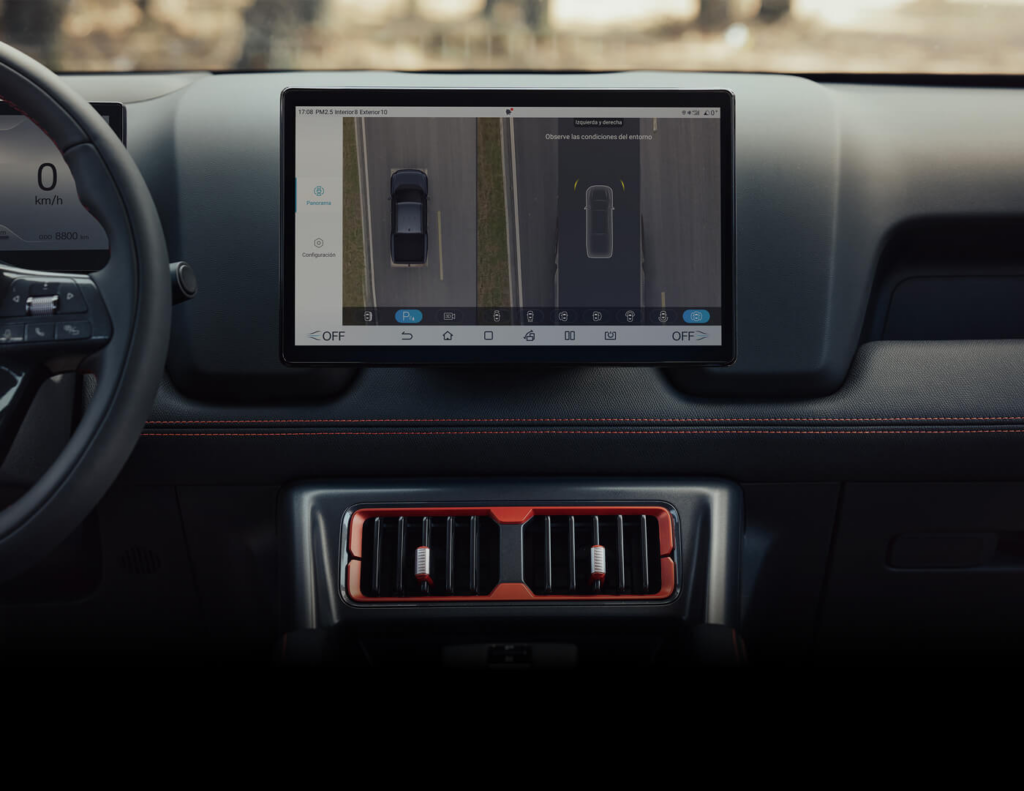
Family use: The double-cab 5-seat layout features cabin specifications comparable to passenger SUVs, including ventilated & heated seats, HUD, large central touchscreen and a full suite of active safety features. Cabin quietness far outperforms diesel pickups. Short daily commutes run on electricity with low noise. Rear passenger comfort surpasses pickups with leaf spring rear suspension, suitable for family daily transport, school runs and long-distance road trips. Note that pickup trucks face traffic restrictions in some cities in China, and its large size makes urban parking harder than regular SUVs.
Cargo hauling: With a rated payload of around 800 kg and a properly sized cargo bed, plus the 6kW V2L function, it is highly practical for contractors and outdoor enthusiasts. It fits light-to-medium hauling tasks such as construction supplies, agricultural goods and camping equipment. However, due to its independent suspension setup, it is not as durable as leaf-spring work pickups under continuous heavy loads close to one tonne. It is not designed as a heavy-duty worksite truck.
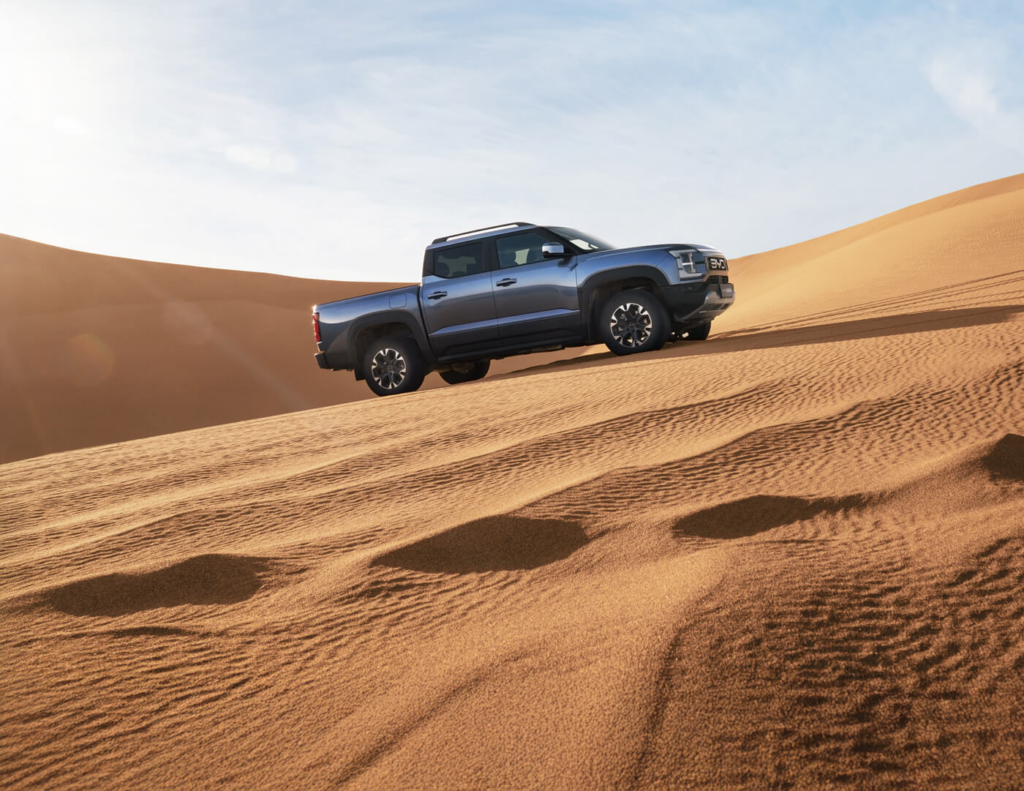
Off-roading: Built with body-on-frame construction and DMO hybrid 4WD, it has a ground clearance of 210 mm and approach angle of 31°. It handles sand, mud, unpaved mountain roads and Gobi crossings competently. Instant motor torque delivers obvious advantages during low-speed off-road recovery. Still, it is positioned as an all-round pickup rather than an extreme off-road specialist. It is not built for repeated jump landings or intense rock crawling.
Conclusion
The BYD Shark is neither a pure heavy-duty work pickup nor a desert-specialized off-road pickup. It is more of an all-purpose multi-use vehicle. Its core strength lies in using hybrid technology to solve high fuel consumption and loud noise issues plaguing traditional pickups. The ladder-frame chassis guarantees basic ruggedness, while high motor torque and V2L expand application scenarios.
Ideal buyers: People who use it for daily family commuting, weekend light off-roading, occasional cargo transport and caravan towing. If your requirement is long-duration heavy hauling and high-intensity worksite operation, traditional leaf-spring diesel pickups remain the better option.