
Chinese electric vehicles are gaining steady traction in Central Asian markets. The Avatr 07L, a spacious five-seat all-electric SUV, has emerged as a popular new option for car buyers in Uzbekistan, Kyrgyzstan, and Tajikistan. This region features extremely diverse geographical and environmental conditions. Uzbekistan is dominated by flat plains and oases, while Kyrgyzstan features rolling mountain terrains. Tajikistan’s Pamir Plateau boasts breathtaking yet rugged high-altitude roads.
Local climate conditions, road quality, and supporting infrastructure also vary sharply across the three countries. This article delivers a neutral, brand-free evaluation of the Avatr 07L. It fully sorts out the vehicle’s practical advantages and inherent limitations in real Central Asian driving scenarios.
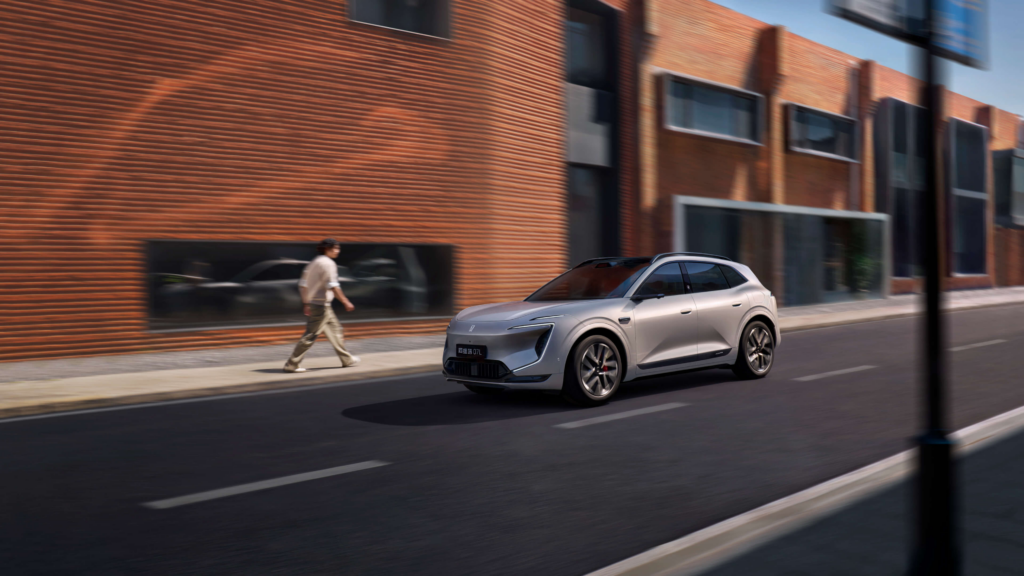
AVATR 07L
Core Advantages of Avatr 07L in Central Asian Scenarios
1. Adaptive Chassis & Spacious Cargo Space Fit Local Travel Habits
The Avatr 07L comes standard with premium air suspension. This core configuration brings strong adaptability to local complex road conditions. Drivers can raise the chassis height to cope with potholed suburban roads and worn rural asphalt roads in Uzbekistan. They can also lower the chassis for softer damping and higher stability when driving on undulating mountain highways in Kyrgyzstan or urban roads.
With a body length of 4,910mm and a wheelbase close to 3 meters, the model offers a highly practical interior space. Its conventional trunk volume reaches 735L, and the space expands to 1,645L after folding down the rear seats. Equipped with an extra 100L front trunk, it provides ample storage space. Most Central Asian families love self-driving travels and outdoor camping. The large cargo capacity can easily hold camping equipment, travel luggage and daily supplies for trips to Issyk-Kul Lake and Samarkand.
The built-in 4L heating and cooling storage box is another user-friendly design. It effectively solves the problem of food and water storage during long-distance driving under Central Asia’s intense summer heat.
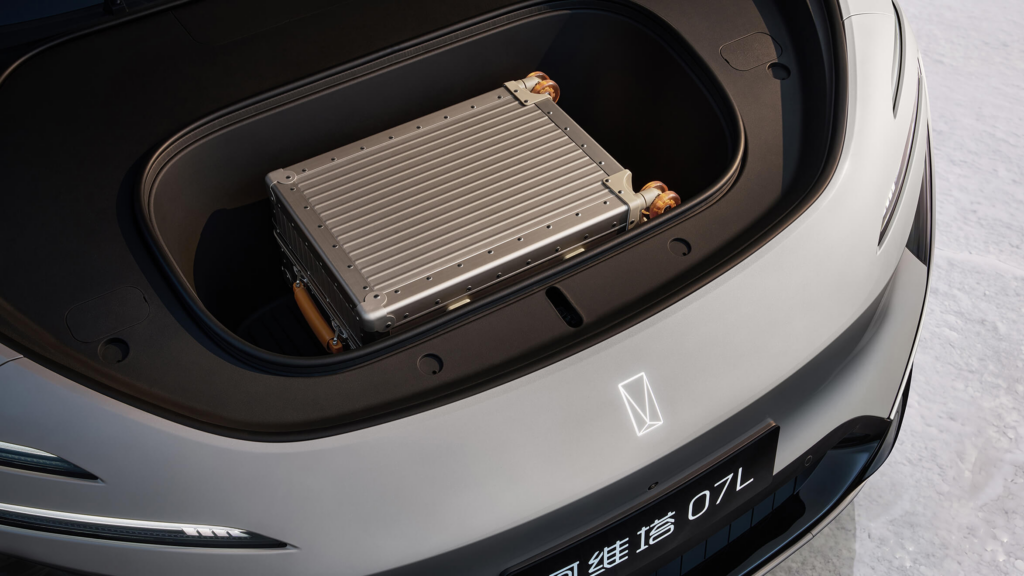
100L front trunk
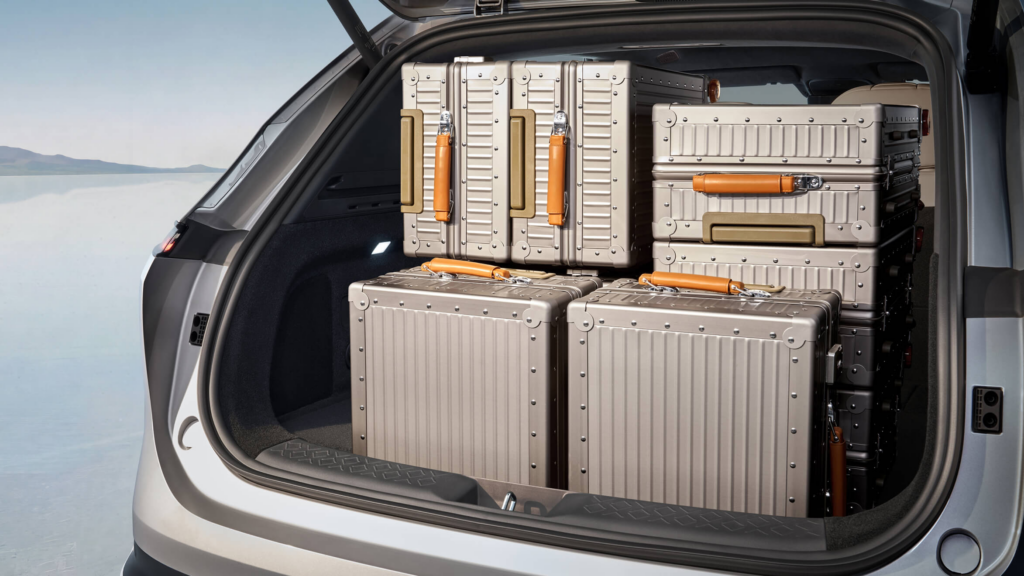
trunk volume reaches 735L
2. 800V Fast Charging & Intelligent Driving Improve Travel Experience
The Avatr 07L adopts CATL 5C Shenxing battery and mature 800V high-voltage platform. It delivers industry-leading fast charging efficiency. In core urban areas such as Tashkent and Bishkek with complete public charging piles, the vehicle greatly shortens energy replenishment time and improves travel efficiency.
The single-motor version has a CLTC cruising range of 725km. It fully meets the daily commuting and intercity travel needs on flat trunk roads in Uzbekistan. The tri-motor version provides sufficient power reserve. It offers stable and powerful performance for uphill climbing and overtaking in mountainous areas of Kyrgyzstan and Tajikistan.
The matching HarmonyOS cockpit and Huawei ADS intelligent driving system bring practical auxiliary functions. The lane keeping assist and 360° panoramic view are very suitable for local urban road conditions. Many urban roads in Central Asia have blurred lane markings. Pedestrians and non-motor vehicles often cross roads randomly. The panoramic imaging system effectively reduces scraping and collision risks. In addition, the full-set heated and ventilated seats adapt to local extreme temperatures, improving riding comfort all year round.
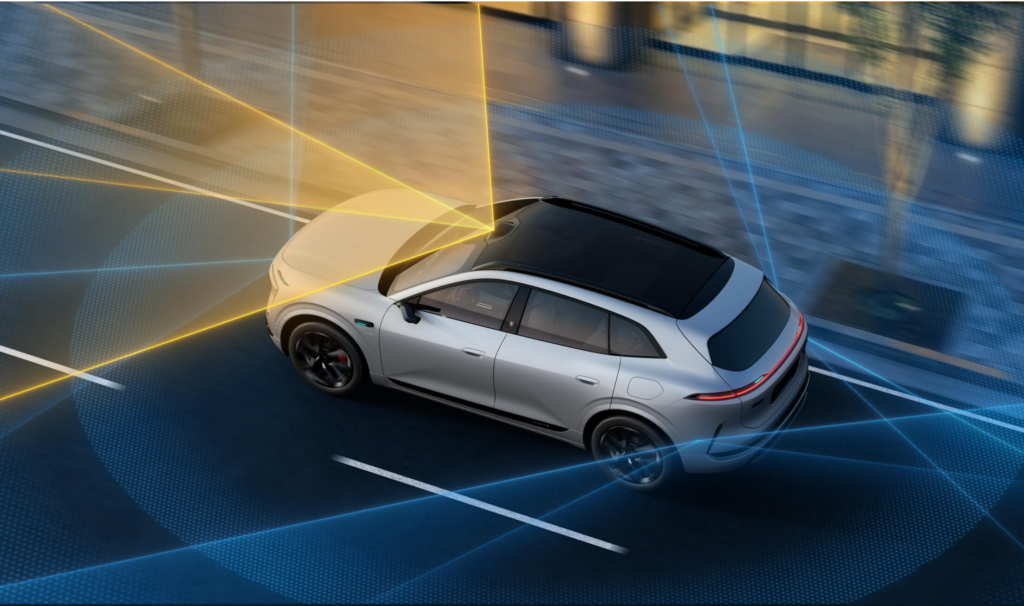
3. Low Operation Cost Reduces Daily Car Burden
Uzbekistan has rich power resources and low residential electricity prices, which creates a good foundation for electric vehicle use. For users with home charging conditions, the per-kilometer driving cost of the Avatr 07L is far lower than local traditional fuel vehicles and natural gas vehicles.
As a pure electric vehicle, it cancels regular maintenance items such as engine oil and filter replacement. It greatly reduces daily vehicle maintenance costs. This cost advantage is very prominent for family users who mainly drive in cities on a daily basis.
Key Limitations of Avatr 07L in Central Asian Markets
1. Uneven Charging Infrastructure Causes Severe Range Anxiety
Imperfect charging supporting facilities are the biggest bottleneck for electric vehicles in Central Asia. Public fast charging piles are only concentrated in the central urban areas of Tashkent, Dushanbe and Bishkek. Almost no effective DC fast charging facilities cover rural areas, mountain roads and border highways.
Drivers will face serious range anxiety once they carry out cross-city and cross-region self-driving tours. Meanwhile, the power grid in remote areas is unstable with fluctuating voltage. It poses potential risks to the vehicle’s on-board charging system. Compared with gas stations spread all over the region, pure electric vehicles have extremely low fault tolerance for long-distance travel.
The Pamir Plateau in Tajikistan has huge day and night temperature differences. Long-term extreme temperature changes test the battery sealing and thermal management system. Although the vehicle is equipped with a professional battery temperature control system, battery attenuation speed is still faster than that in temperate regions.
Worse still, Central Asia lacks professional new energy vehicle maintenance institutions and technicians. Battery maintenance and replacement costs are high. Imported spare parts also require a long waiting cycle, bringing great trouble to car owners.
3. Urban SUV Positioning Limits Off-Road & Mountain Passing Ability
The Avatr 07L’s air suspension can buffer ordinary potholed roads, but it is essentially a road-oriented urban SUV, not a hardcore off-road vehicle. The Pamir Highway in Tajikistan has a large number of cratered pavements, gravel roads and collapsed roadbeds. Long-term driving on such harsh roads will easily scratch the chassis and accelerate suspension wear.
The vehicle’s 1980mm width also brings maneuverability problems. Narrow cliffside roads in rural Kyrgyzstan make oncoming vehicle passing difficult. In addition, most mountain roads lack street lights and complete traffic markings. The vehicle’s advanced intelligent driving functions cannot take effect normally, so drivers cannot rely on intelligent assistance in complex mountain scenarios.
4. Backward Local After-Sales System Restricts User Experience
The three Central Asian countries are still in the initial stage of new energy vehicle popularization. Professional maintenance technicians and special diagnosis equipment for electric vehicles are extremely scarce locally. Once core components such as motors, electronic control systems and LiDAR fail, ordinary repair shops cannot handle them.
Most core spare parts need to be imported from China, resulting in extremely long maintenance cycles. In contrast, local fuel and natural gas vehicles have complete after-sales channels, low accessory prices and mature second-hand trading markets. The secondary value retention rate of the Avatr 07L in Central Asia has not been verified by the market, which is a key concern for potential buyers.
Conclusion: Target Scenarios & Market Adaptability
Objectively, the Avatr 07L is very suitable for urban family users in Central Asia. If users live in core cities such as Tashkent, have stable home charging conditions, and mainly use the car for daily commuting and short-distance highway travel, this model has outstanding comprehensive advantages. Its comfortable chassis, large space, fast charging and low energy consumption can bring excellent user experience.
However, it is not a reliable choice for long-term cross-border travel and plateau mountain driving. Users who often travel to remote mountainous areas of Kyrgyzstan and high-altitude areas of Tajikistan, or have no private charging conditions, will face many hidden troubles in using the car.
Central Asia’s new energy vehicle market is still in the growth stage. The Avatr 07L has excellent hardware product strength. Yet the market performance of electric vehicles depends not only on parameter configuration, but also on the matching degree with local roads, climate and infrastructure. With the gradual improvement of Central Asia’s new energy supporting facilities, the model’s market potential will be further released in the future.