
The BYD Tang, sold overseas as ATTO 8, comes in DM-i hybrid and EV versions. They meet different driver needs and give this flagship SUV strong appeal in Middle East markets. Both share the same chassis, spacious 7-seat cabin and reliable Blade Battery. Ride comfort and interior space are similar. But their powertrains suit very different driving scenarios. The BYD Tang DM-i uses petrol and electric power to remove range anxiety. It works great for tough long trips. The BYD Tang EV delivers smooth, quiet all-electric driving for city commutes. This flexible setup helps BYD Tang find its place in Saudi Arabia and the UAE, two regions with vast lands and extreme heat.
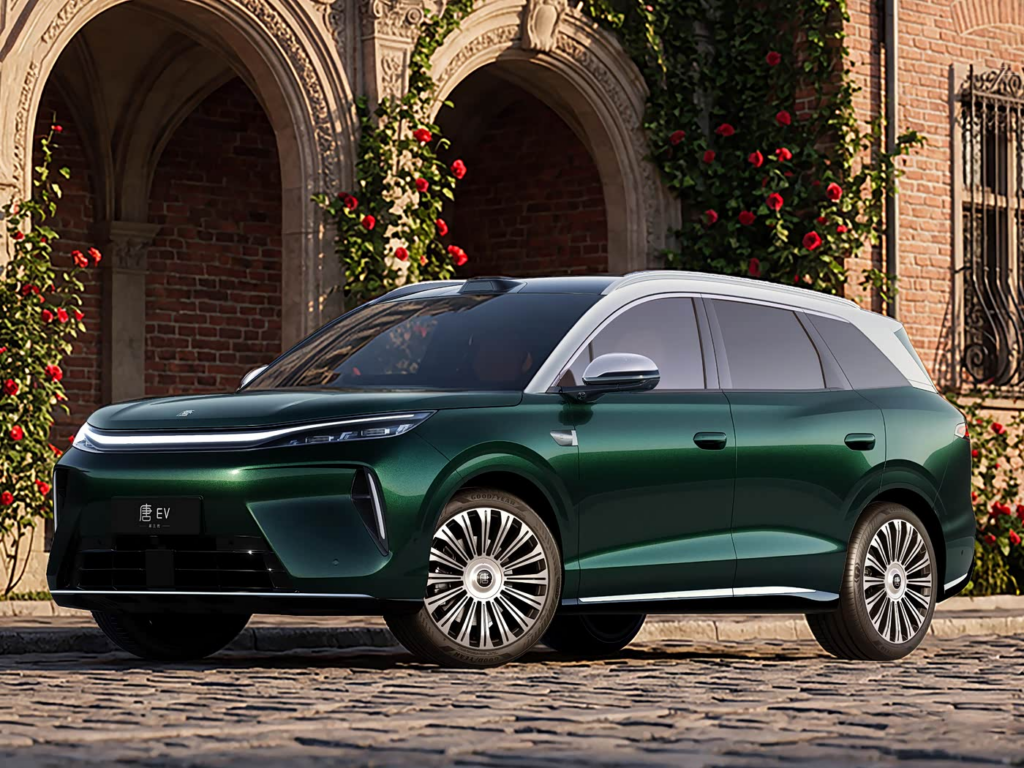
Overland Travel Performance: Two Powertrains, Two Driving Experiences
The Middle East has unique road conditions. Saudi Arabia and the UAE hold wide desert areas. Cities sit hundreds or even thousands of kilometres apart along quiet desert highways. Charging stations are sparse and unreliable on these remote routes. This tests a vehicle’s refuelling flexibility and range stability heavily.
This is where the BYD Tang DM-i truly shines. Its hybrid powertrain does not rely on charging stations at all. Drivers can use pure electric mode for quiet, low-cost daily trips in town. When heading out for long desert adventures, the engine generates power once the battery drains. You do not need to plan charging stops in advance. Just refuel at standard petrol stations to keep moving. Whether carrying a full family and outdoor gear on desert roads, the Tang DM-i removes range worry. It fits local drivers’ needs for cross-city journeys and weekend desert trips perfectly.
The BYD Tang EV works best in well-developed urban zones. In cities like Dubai and Riyadh with dense charging networks, its smooth silent drive makes it ideal for commutes and short nearby trips. Still, long desert travel exposes the limits of pure electric cars. Drivers must plan every charging stop carefully. Broken chargers, queues or rising energy use in heat can easily ruin travel plans. It is less suitable for remote overland trips across the Middle East.
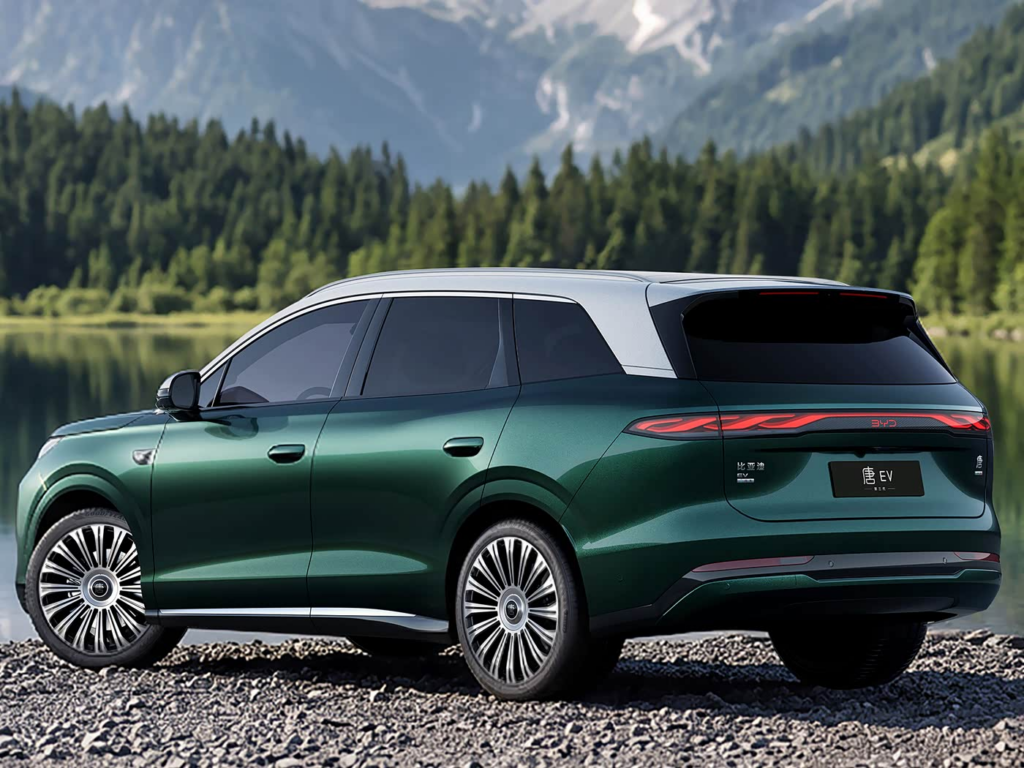
Stability in Extreme Heat: Robust E-Powertrain Tuned for Middle Eastern Climates
Vehicles in the Middle East face year-round harsh conditions. Strong sunlight and continuous high-speed driving create heavy tests. Summer surface temperatures can rise above 50°C. Constant sun exposure and highway driving put battery cooling, electronics and durability under great pressure. Many imported vehicles struggle to run steadily here.
All BYD Tang models use Blade Battery plus an intelligent thermal management system. Engineers calibrated this system specifically for the harsh Middle Eastern weather. The thermal unit adjusts battery temperature in real time. It balances temperature differences between cells. It slows battery degradation under heat and reduces thermal risks to keep electric parts running reliably.
The DM-i version offers better stability under high heat. On long, hot highway drives, the system switches between petrol and electric power to share workload. The battery avoids continuous high-power discharge. This cuts stress on electric components. Even after hours of fast desert driving and long sun exposure, power stays steady with little performance loss.
The BYD Tang EV also performs well in hot weather, though its use case is narrower. Sustained high-speed travel in extreme heat consumes more energy and shortens range normally. Even so, the smart thermal system protects battery cells actively. As long as drivers avoid non-stop heavy-duty driving, power, safety and comfort remain consistent. Middle East-spec ATTO 8 models also get upgraded high-efficiency air conditioning and UV-resistant interior materials. The cabin cools down faster. Interior trim resists ageing under strong sunlight, matching the region’s permanent hot environment.
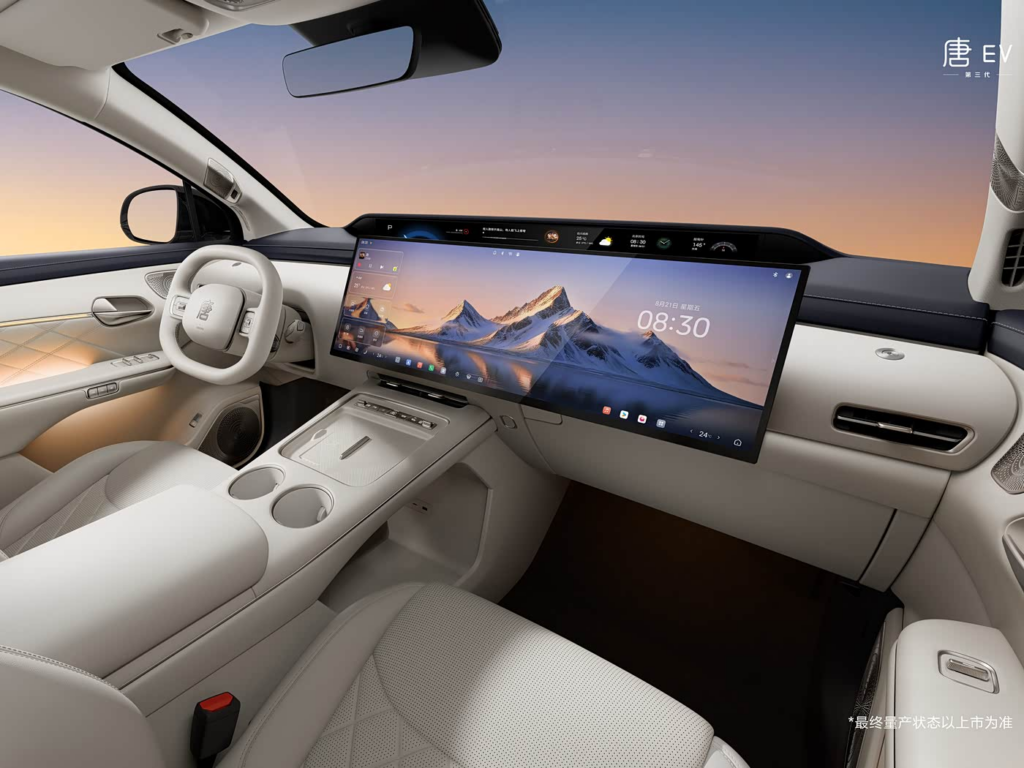
Market Positioning in Saudi Arabia and UAE: A Premium 7-Seater SUV for Affluent Families
Sold locally as BYD ATTO 8, BYD Tang targets the premium family 7-seater SUV segment in Saudi Arabia and the UAE. It is not a budget car. It focuses on premium family transport, light off-roading and long cross-city trips. It competes directly with large petrol 7-seater SUVs popular in the region.
Before ATTO 8 entered the market, local families mostly picked American and Japanese large petrol SUVs for family trips and long drives. Those cars burn plenty of fuel and bring high annual running costs. Their performance also fluctuates while idling under extreme heat. The BYD Tang provides a competitive alternative with lower operating costs.
Clear market differences have formed. In UAE cities such as Dubai and Sharjah, charging infrastructure is mature. Buyers care more about refined ride comfort. Here, the BYD Tang EV acts as the premium urban family option. It attracts middle-class households with quiet rides, modern tech and low running costs. Saudi Arabia has much longer distances between cities. Local drivers value practicality and freedom from range concerns. That makes the BYD Tang DM-i the popular pick. It combines a large cabin, strong heat resistance, low operating costs and all-terrain capability.
Conclusion
BYD Tang DM-i and EV form a balanced product pair. The Tang EV brings premium comfort for city use. The Tang DM-i enables stress-free overland travel. Tuned and tested for the Middle East’s brutal high-temperature environment, this 7-seater new energy SUV matches local driving habits and road conditions. As the Middle East shifts toward cleaner energy and low-carbon mobility, BYD ATTO 8 stands out with solid build quality and unique strengths. It has earned its spot in the premium 7-seater SUV market as a trusted new energy family vehicle for Middle Eastern households.