
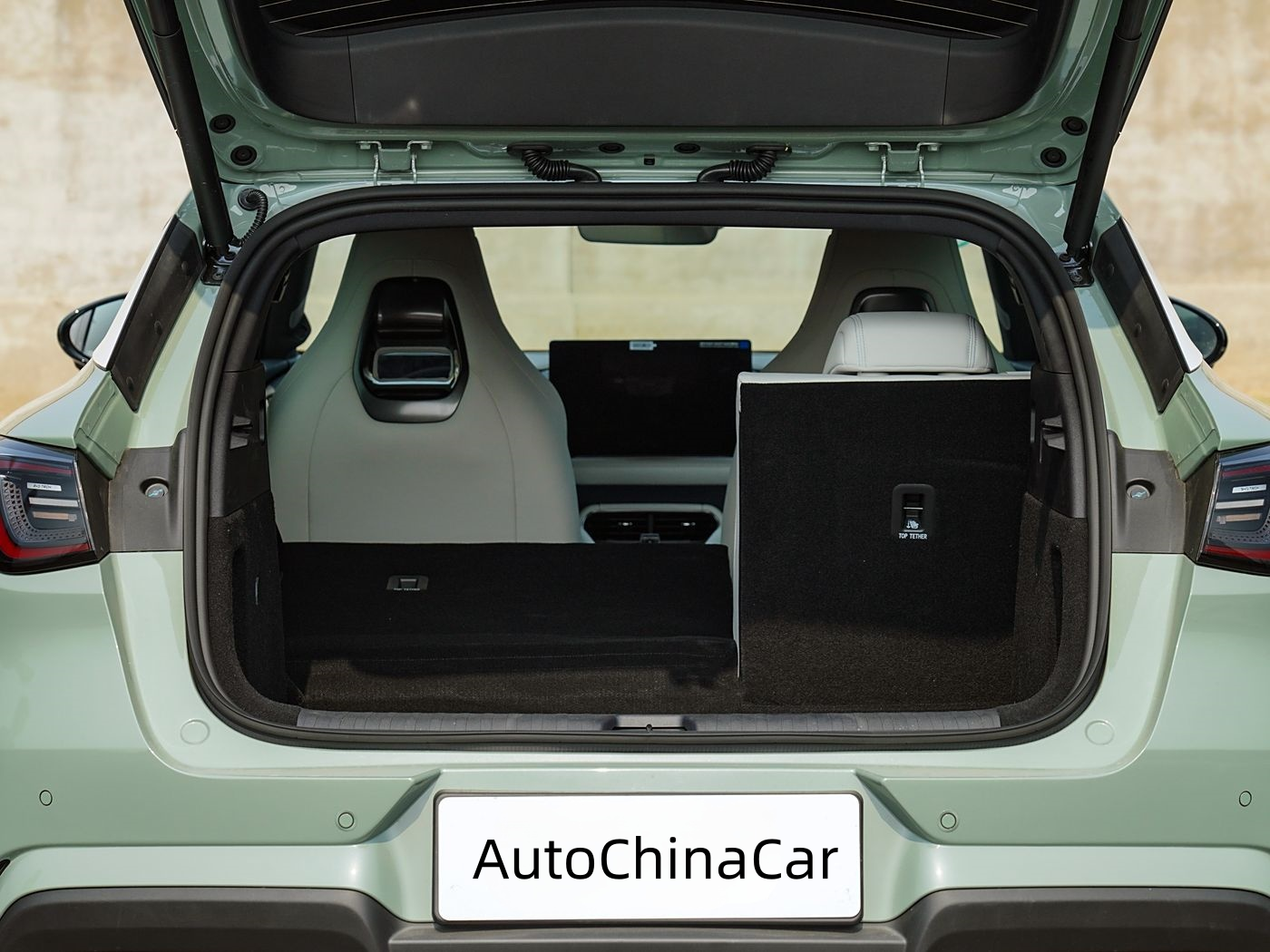
In humanity’s relentless pursuit of clean mobility, electric vehicles (EVs) are crafting an inspiring vision of the future, with innovation as their brush and technology as their ink. This grand canvas not only showcases the dynamic momentum of technological breakthroughs but also embodies profound reflections on the harmonious coexistence of human civilization and nature. As solid-state battery production lines spring to life, autonomous driving systems take the wheel, and urban traffic networks achieve seamless vehicle-infrastructure coordination, EVs will transcend their role as mere means of transportation to become intelligent platforms that redefine lifestyles. And among this transformative wave, Chinese cars are making a dashing inside the global market, offering innovative solutions and compelling value.
I. Technological Revolution: Infinite Possibilities Beyond Physical Limits
In the energy sector, the maturation of solid-state battery technology is set to usher in a new era. By 2030, EVs equipped with these advanced batteries will achieve a staggering range of 1,500 kilometers, with charging times slashed to under 10 minutes—effectively erasing range anxiety. Even more thrilling is the widespread adoption of wireless charging, where embedded road coils and onboard receivers form an invisible energy network, allowing vehicles to recharge seamlessly while in motion. This “always-on” experience will redefine the freedom of mobility, and Chinese cars for sale are at the forefront of integrating this cutting-edge technology into consumer vehicles.
In propulsion systems, breakthroughs in in-wheel motor technology are noteworthy. Four-wheel independent drive systems enable crab-walking, zero-radius turning, and effortless parking in tight spaces. The widespread use of silicon carbide power devices has pushed motor controller efficiency beyond 99.5%, and combined with lightweight body designs, energy consumption may drop below 8 kWh per 100 kilometers. Even more visionary is the application of air-bearing technology, which eliminates mechanical friction entirely, extending motor lifespans to over a million kilometers. Chinese cars are leveraging these advancements to offer unparalleled driving experiences.
II. Spatial Revolution: From Cockpit to Living Space
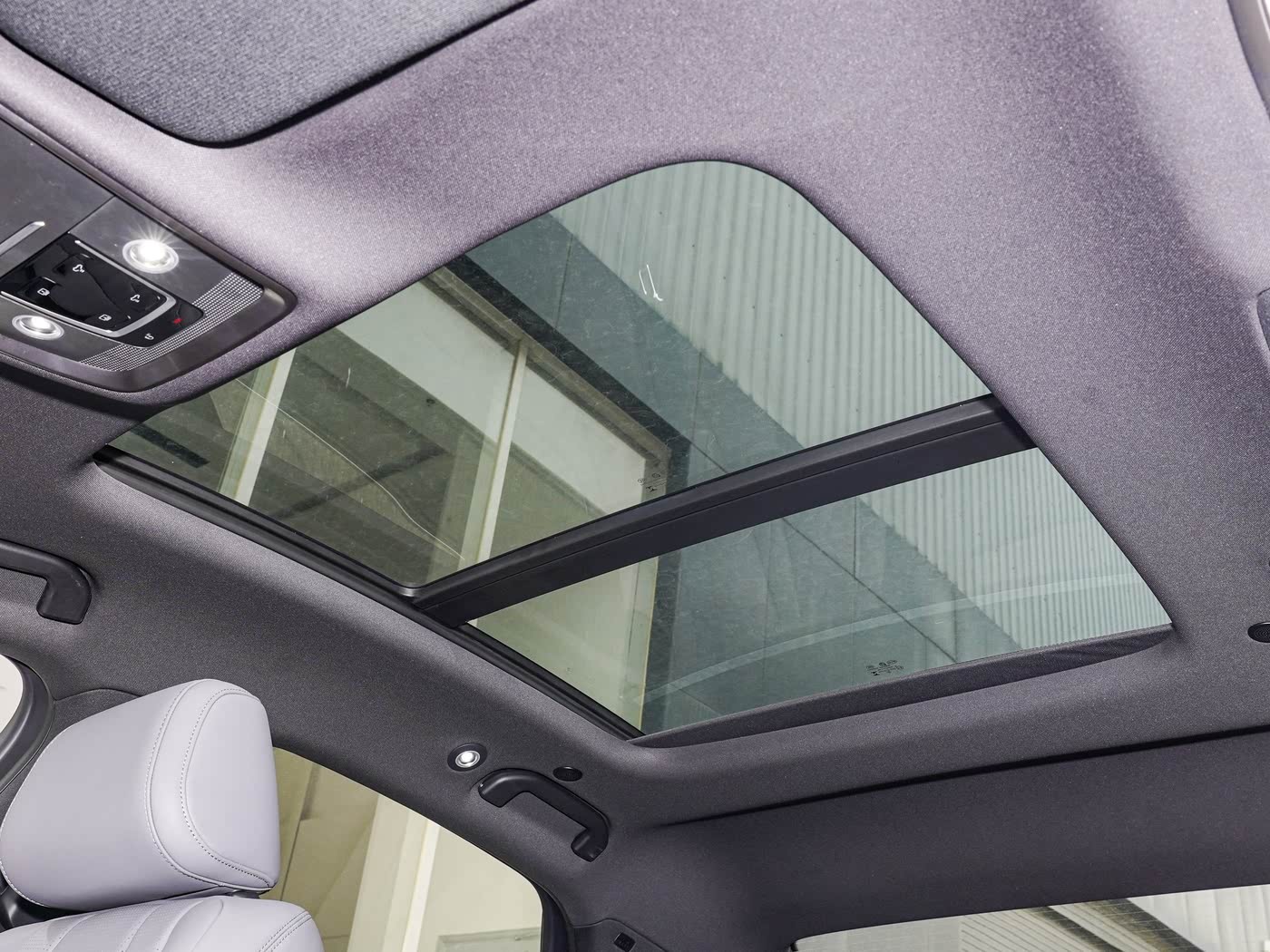
With the advent of Level 5 full autonomy, vehicle interiors will undergo a fundamental transformation. Rotating floating seats, height-adjustable smart tables, and panoramic transparent roofs will create mobile living spaces. During morning commutes, AI assistants will automatically optimize routes while passengers handle work via holographic projections. On weekend road trips, immersive audiovisuals and ambient lighting will craft personalized entertainment zones. And for nighttime camping, vehicle-to-load (V2L) capabilities will power complete outdoor living setups. Chinese cars for sale are incorporating these features, making luxury and convenience accessible to a wider audience.
This spatial evolution extends to personalization. The fusion of 3D printing and modular design will allow consumers to customize their vehicles like Lego sets—from seat materials to ambient lighting, entertainment systems to fragrance dispensers, every detail can be tailored. Even more astonishing, vehicles will learn user habits and evolve autonomously, becoming truly “understanding” intelligent companions. Chinese cars are embracing this trend, offering a range of customization options that cater to diverse consumer preferences.
III. Ecological Revolution: Reinventing Urban Energy Networks
Future EVs will deeply integrate with smart city ecosystems. Each vehicle will serve as a mobile energy storage unit, storing clean power during off-peak hours and feeding it back to the grid during peak demand. This vehicle-to-grid (V2G) technology will transform private parking spots into virtual power plants, providing grid-balancing services for entire cities. Even more promising, solar roadways and EVs will form microgrids, allowing vehicles to harvest sunlight while driving—truly “charging on the go.” Chinese cars are playing a pivotal role in advancing these ecological innovations, contributing to a greener, more sustainable future.
In transportation, vehicle-to-everything (V2X) systems will enable intelligent urban traffic restructuring. Through 5G and AI, cars will communicate with traffic lights and roadside units in real time, optimizing routes and boosting overall efficiency by 40%. When all vehicles are connected, “zero-congestion” cities will become a reality. On a deeper level, this technological fusion will reshape urban planning—parking lots may become urban gardens, and gas stations could transform into clean energy hubs. Chinese cars are at the heart of this transformation, driving the shift towards a smarter, more efficient urban landscape.
IV. Industrial Revolution: A Global Collaborative Innovation Ecosystem
This mobility revolution is spawning a new industrial ecosystem. Open-source battery platforms allow SMEs to participate in core R&D, optimizing global innovation resources. 3D-printing factories and modular suppliers form flexible production networks, slashing custom EV manufacturing costs by 60%. Notably, battery passport systems, powered by blockchain, enable full lifecycle traceability—from mineral extraction to recycling—creating a closed-loop economy. Chinese cars are part of this global collaborative innovation ecosystem, contributing to the development of sustainable, efficient manufacturing processes.
In talent development, cross-disciplinary collaboration is the new norm. Traditional automotive engineers now work alongside AI specialists, materials scientists, and urban planners in innovation clusters, solving complex challenges. This intellectual convergence has birthed disruptive advancements like bio-inspired battery structures, quantum charging, and bio-based interior materials. As global innovation flows freely, the EV industry will epitomize humanity’s collective ingenuity, with Chinese cars playing a significant role in driving this progress.
Epilogue: A Legacy of Innovation
Looking back from the vantage point of 2035, the evolution of EVs reads like an epic of human innovation—from the roar of combustion engines to the whisper of electric motors, from fossil fuel dependence to clean energy cycles. This revolution has not only redefined mobility but also reshaped humanity’s relationship with Earth. When future children gaze at the stars through panoramic sunroofs, they will see not just the Milky Way, but the shining promise of sustainable civilization. This is the greatest gift of the EV revolution to our era, and Chinese cars are an integral part of this legacy, offering innovative solutions and contributing to a brighter, more sustainable future.