
Amid the dual waves of energy transition and digital revolution, the mobility sector is undergoing an unprecedented paradigm shift, much like a phoenix rising from the ashes of the old automotive era. As the vehicle of this transformation, breakthroughs in the core technological clusters of electric vehicles (EVs) are redefining the essence of driving—elevating it from mechanical control to intelligent interaction, evolving from energy consumption to ecological integration, and transcending functional utility into aesthetic expression. This quiet revolution is wielding technology as a wand, redefining the symbiotic relationship between humans and machines, humans and roads, and humans and the environment.
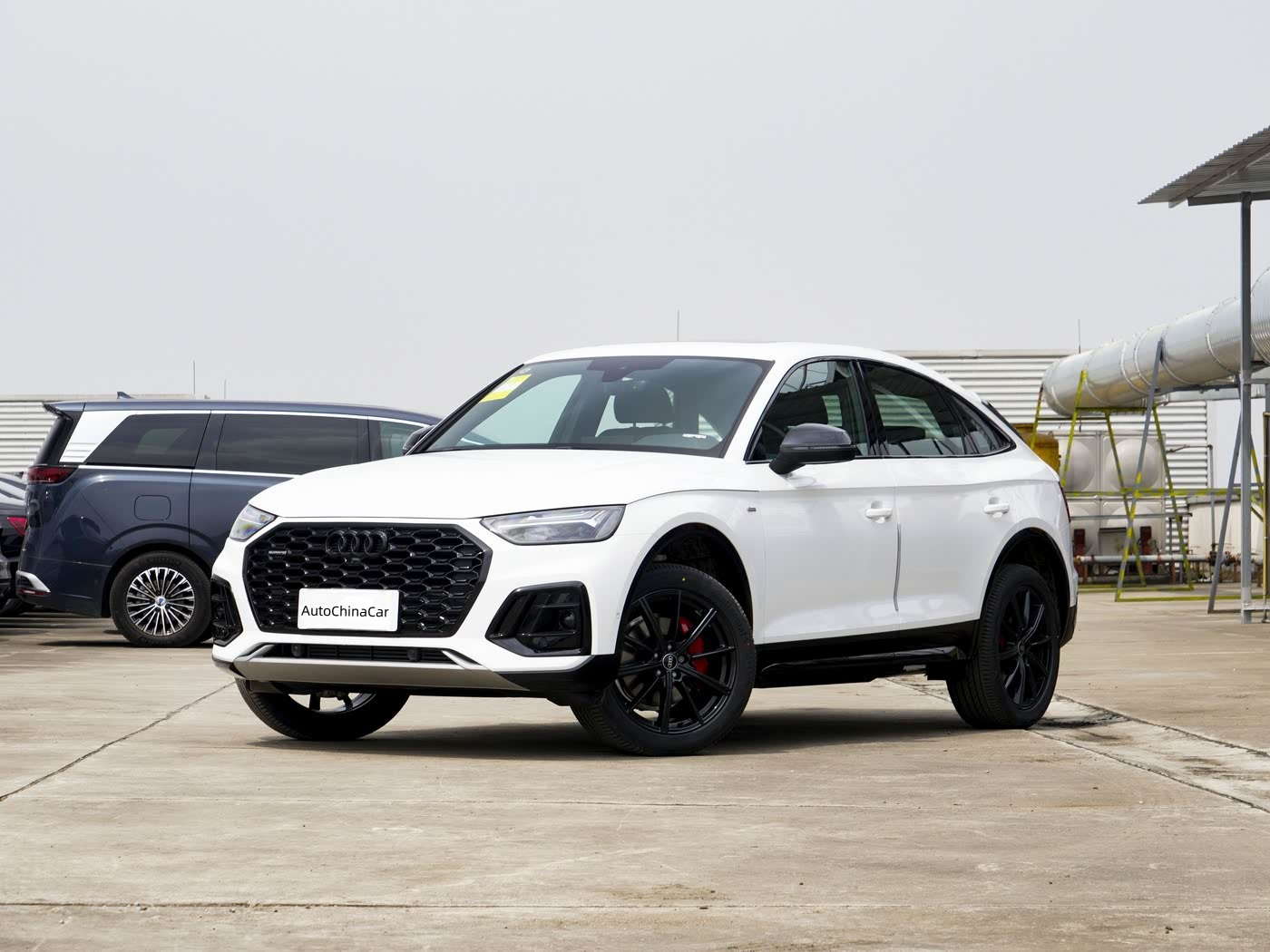
Energy Revolution: Breaking Physical Boundaries for Range Freedom
Advancements in battery technology are rewriting the evolution curve of energy density with the vigor of a revolutionary force. Solid-state batteries, which replace traditional liquid electrolytes with ceramic ones, push energy density beyond 400Wh/kg, a milestone that could soon find its way into the “new Chinese electric car” lineup, offering unparalleled range and performance. Coupled with graphene coating technology, these batteries achieve over 5,000 charge cycles, a durability that alleviates concerns about battery degradation over time. Such revolutionary progress in materials science allows EVs to effortlessly surpass the 1,000-kilometer range threshold, a game-changer for long-distance travelers and those seeking “cars for sale in China” with exceptional range.
Equally noteworthy is the industrialization of sodium-ion batteries, which—thanks to their abundant resources and superior low-temperature performance—retain 85% discharge capacity even at -20°C, offering a new solution for mobility in extreme cold regions, where traditional batteries might falter. This innovation could be a boon for regions with harsh winters, making EVs more accessible and reliable.
The intelligent evolution of battery management systems (BMS) is equally remarkable. Cloud-based battery management, powered by digital twin technology, monitors battery status in real time through million-parameter models, enabling thermal runaway warnings hours in advance, a feature that could prevent potential disasters. In charging optimization, AI algorithms dynamically adjust power based on driving habits and grid load curves, extending battery lifespan by over 30%, a significant improvement that could also address questions like “why does my car vibrate when idle” by ensuring the battery operates within optimal parameters, reducing unnecessary strain on the vehicle’s systems. This comprehensive innovation—from cell technology to system management—is turning range anxiety into a relic of the past.
Charging Revolution: Reinventing the Energy Network’s Spatiotemporal Logic
Ultra-fast charging breakthroughs are reshaping the time-space dynamics of refueling, much like a time traveler defying the laws of physics. Liquid-cooled ultra-fast chargers, leveraging 800V high-voltage platforms, enable “coffee-break charging”—200 kilometers of range in just five minutes, a convenience that could make EVs as practical as gasoline-powered cars for quick stops during road trips. Even more astonishing, road-embedded dynamic wireless charging systems are now in real-world testing, delivering 20kW of continuous power to vehicles traveling at 120km/h in dedicated lanes. This “charge-while-driving” innovation will obliterate the constraints of time and space in charging scenarios, a leap forward that could redefine the concept of “range anxiety” altogether.
Battery-swapping models, meanwhile, have given rise to a “battery bank” ecosystem. Standardized battery packs allow cross-brand compatibility, with single stations servicing over 1,000 vehicles daily, a testament to their efficiency and scalability. Equally significant is the second-life application of retired batteries, maximizing their lifecycle value through IoT-enabled real-time health assessments, cutting energy storage station costs by 40%, a development that could make EVs more affordable and sustainable in the long run.
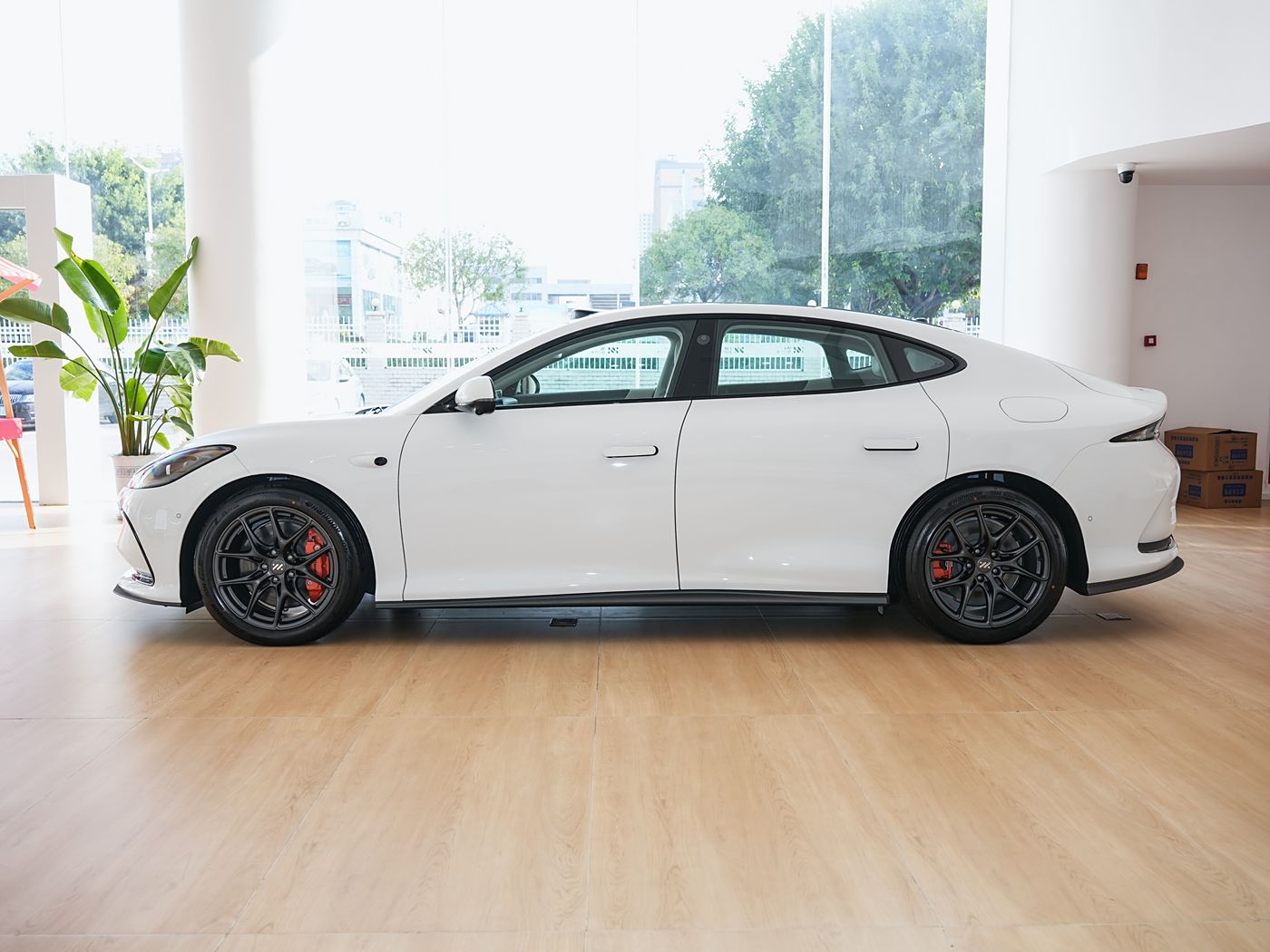
Intelligence Revolution: The Cognitive Leap of Human-Machine Co-Driving
Autonomous driving technology is pushing the boundaries of perception and decision-making, much like a visionary artist pushing the limits of their craft. Multi-modal sensor fusion systems—combining LiDAR, 4D millimeter-wave radar, and high-definition cameras—construct 360-degree, blind-spot-free environmental models, allowing vehicles to perceive their surroundings with unparalleled clarity. At the decision-making level, federated learning architectures enable continuous evolution; one autonomous test fleet in Shenzhen has already logged over a million kilometers in complex urban roads with zero human intervention, a milestone that could pave the way for widespread adoption of autonomous vehicles, including those in the “new Chinese electric car” category. These breakthroughs not only free drivers’ hands but also reshape humanity’s understanding of vehicles, transforming them from mere means of transportation into intelligent companions.
While we delve into the marvels of autonomous driving, it’s also worth noting that even in this advanced era, understanding the basics, like “what does a throttle body do,” remains crucial for enthusiasts and mechanics alike, as it highlights the seamless integration of traditional automotive components with cutting-edge technology.
Vehicle-to-everything (V2X) technology is creating a “transparent road” paradigm. 5G + BeiDou high-precision positioning elevates vehicle accuracy to centimeter-level, while roadside units (RSUs) boost intersection efficiency by 30%, a development that could make driving in bustling cities a breeze. Even more promising is digital twin traffic systems, which map real-world conditions in real time to optimize routes, increasing overall road network capacity by 50%, a game-changer for urban mobility.
Design Revolution: Humanistic Expression in Mobility Spaces
Aerodynamic design is blurring the lines between engineering and aesthetics, much like a sculptor blending form and function. Active grille shutters dynamically adjust blade angles to cut drag at high speeds while optimizing cooling at low speeds, achieving a record-breaking 0.2Cd drag coefficient, a testament to their aerodynamic prowess. Equally impressive are bionic streamlined bodies, where computational fluid dynamics sculpt futuristic forms while reducing energy consumption, a harmonious blend of art and science that could soon grace the “new Chinese electric car” models.
The spatial revolution is dismantling traditional automotive constraints, much like an architect tearing down walls to create open, versatile spaces. Cell-to-body (CTB) integration merges the floor with the battery cover, freeing up 150mm of vertical space. This breakthrough enables innovations like swiveling floating seats and panoramic glass roofs, boosting cabin space utilization to 78%, a development that could make EVs more appealing to families and urban dwellers alike. Modular design takes it further—standardized interfaces allow reconfigurable seating and storage, transforming vehicles seamlessly between commuter pods, mobile offices, and family spaces, a testament to their adaptability and versatility.
Looking back from the brink of this technological singularity, the EV revolution has transcended transportation, becoming a catalyst for civilizational progress. As energy becomes omnipresent, as driving evolves into a human-machine dance, and as mobility spaces extend into living spaces, we witness not just leaps in specs but a redefinition of freedom in motion. This revolution is elevating cars from industrial products to cultural icons, from mere tools to life companions, from functional devices to intelligent terminals. The driving experience of the future will be a symphony of technology and humanity, a balance of freedom and responsibility, and a harmony of personal aspiration and societal advancement.