
The Middle East market subjects vehicles to far harsher tests than just power and configuration. Sustained ambient temperatures of 45–50°C, intense UV radiation, pervasive sand dust, unpaved Gobi terrain, and long intercity drives set tough benchmarks for vehicle reliability. Both the Xpeng GX EV/Xpeng GX EREV and Zeekr 9X have launched in the Gulf market, positioned as large 6-seater new energy SUVs, yet built with vastly different priorities. The Xpeng GX focuses on full-domain thermal management, cabin heat insulation and light off-roading. The Zeekr 9X relies on air suspension and multi-terrain modes, engineered for all-terrain rugged capability. Based on high-temperature Gobi field tests and real Middle East usage scenarios, this article compares the two models across four core dimensions: heat resistance, desert and off-road performance, running costs, and in-cabin features.
1. Heat Resistance: Tri-Motor Powertrain and Cabin Stability Under Sustained High Temperatures
In the Middle Eastern summer, cabin temperatures can exceed 55°C after outdoor parking, while ground temperatures soar above 70°C. Battery thermal management, air conditioning cooling efficiency and glass heat insulation become top evaluation criteria.
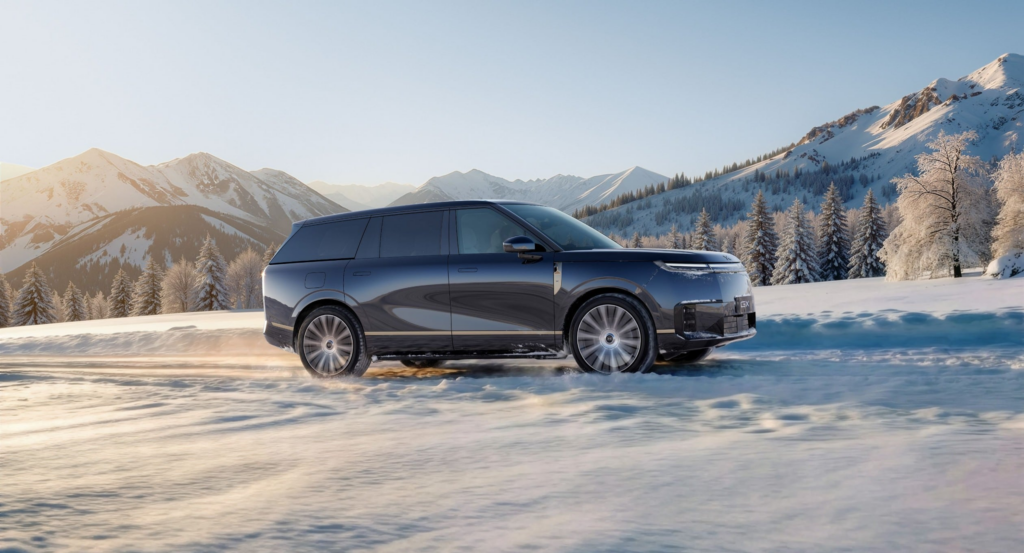
Xpeng GX
Equipped with the XP-HP3.5 intelligent full-domain thermal management system and an 800V high-voltage platform, its IP68 liquid-cooled LFP battery pack has undergone extreme heat validation under 70°C ground temperatures in Turpan, matching Middle East high-temperature conditions closely.
- After exposure to direct sunlight, the cabin hits 55°C. The fast-cooling air conditioning drops cabin temperature by 25°C within 6 minutes, with minimum air outlet temperature at 13.4°C. The rear LC electrochromic glass blocks over 99% of UV rays with strong infrared insulation. One-tap dimming greatly reduces accumulated cabin heat and prevents the air conditioner from running at continuous high load, cutting power consumption.
- Under full load during long uphill drives in high heat, battery temperature control remains stable without frequent power derating. On a 44°C ambient Gobi loop test with full passenger load, the range retention rate reaches 84.9%. The vehicle boasts excellent cabin sealing in dusty conditions, effectively controlling PM2.5 and preventing sand from entering the cabin and electronic control compartments.
- Drawback: During prolonged low-speed crawling on sand, the motor runs under continuous heavy load, gradually increasing thermal stress. This is an inherent limitation of its light off-road chassis.
Zeekr 9X
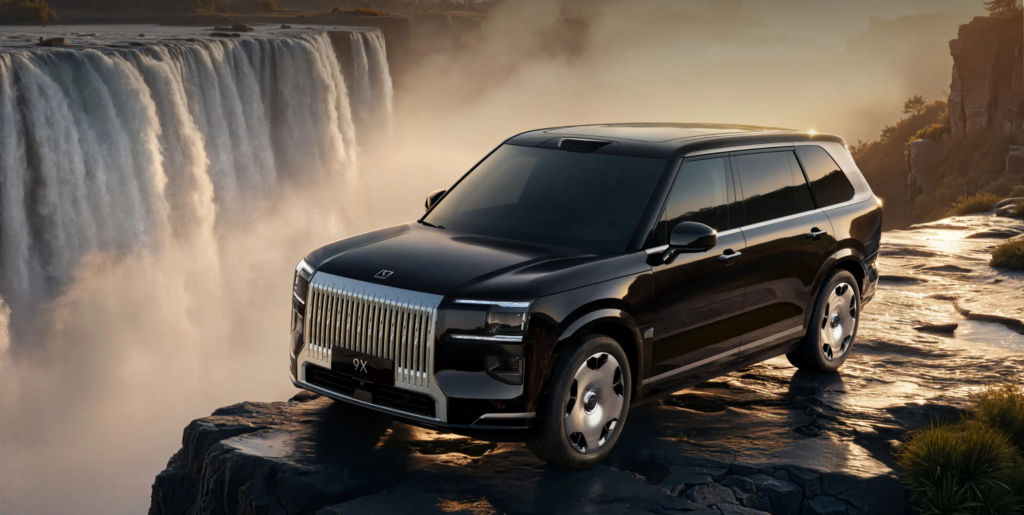
Built on the 900V Hyper Hybrid architecture, it features dual-chamber air suspension and CCD electromagnetic damping. Its liquid-cooled battery pack has also been calibrated for high-temperature Gulf markets.
- The air conditioning delivers strong cooling, with seat ventilation fitted across all three rows. However, it lacks Xpeng GX’s electrochromic glass and relies on conventional heat insulation film. The cabin heats up faster under direct sunlight, requiring the air conditioner to run longer to maintain low temperatures and raising overall power consumption.
- The Gulf market mainly offers the 70kWh battery version. Fast charging remains stable under high temperatures. Still, the vehicle weighs nearly 2.8 tonnes, leading to a high baseline power consumption during continuous driving in hot weather.
- Drawback: Air suspension is a precision assembly. In environments combining persistent high heat and sand, its dust boots require regular cleaning. Sand intrusion accelerates component wear, demanding extra attention during maintenance.
Heat Resistance Summary: For urban, highway and routine long-distance commuting, the Xpeng GX achieves superior cabin heat insulation and temperature control. The Zeekr 9X delivers qualified tri-powertrain thermal management, yet its heavier curb weight and absence of dimmable glass lead to higher energy consumption in hot weather. Its precision suspension also requires more maintenance against sand exposure.
2. Desert & Off-Road Capability: Light Overland vs All-Terrain Off-Road
Middle Eastern users’ off-road needs fall into two categories: gravel Gobi roads and light dune bashing near cities; and deep desert and rocky off-roading. The two models feature clearly differentiated positioning.
Xpeng GX
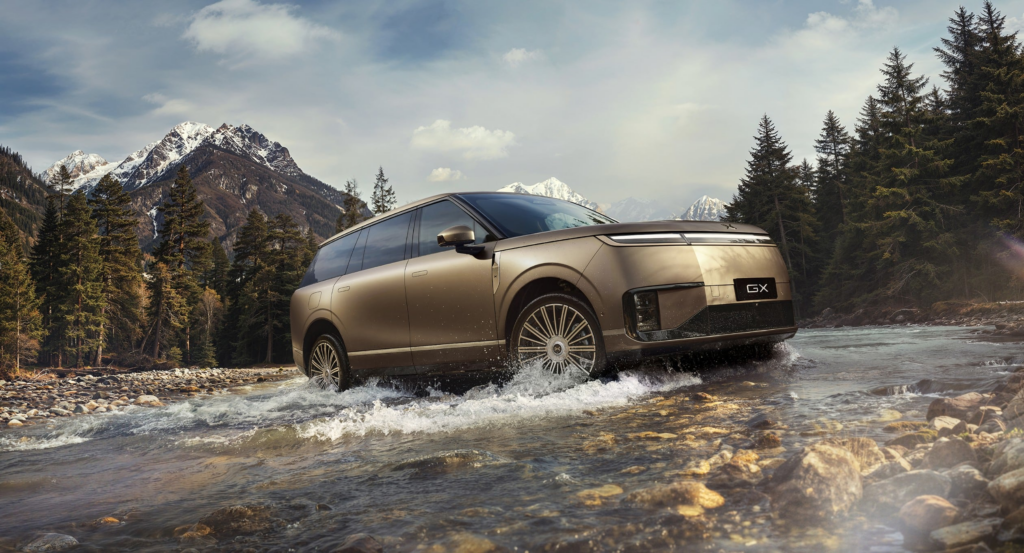
Positioned as a family-oriented large light off-road SUV with dual-motor four-wheel drive. Its chassis tuning prioritizes comfort and is not designed for heavy-duty desert off-roading.
- Strengths: It handles gravel Gobi tracks, dry riverbeds and unpaved national highways smoothly with excellent chassis damping and minimal body roll. Robust sealing keeps sand out of the cabin on dusty routes, suitable for short-distance overland trips at desert edges.
- Drawback: No air suspension, fixed ground clearance and no dedicated sand crawl mode. Continuous dune bashing or steep desert climbs carry a high risk of getting stuck. It offers limited protection for tyres and the underbody, making it unsuitable for heavy desert off-roading.
Zeekr 9X
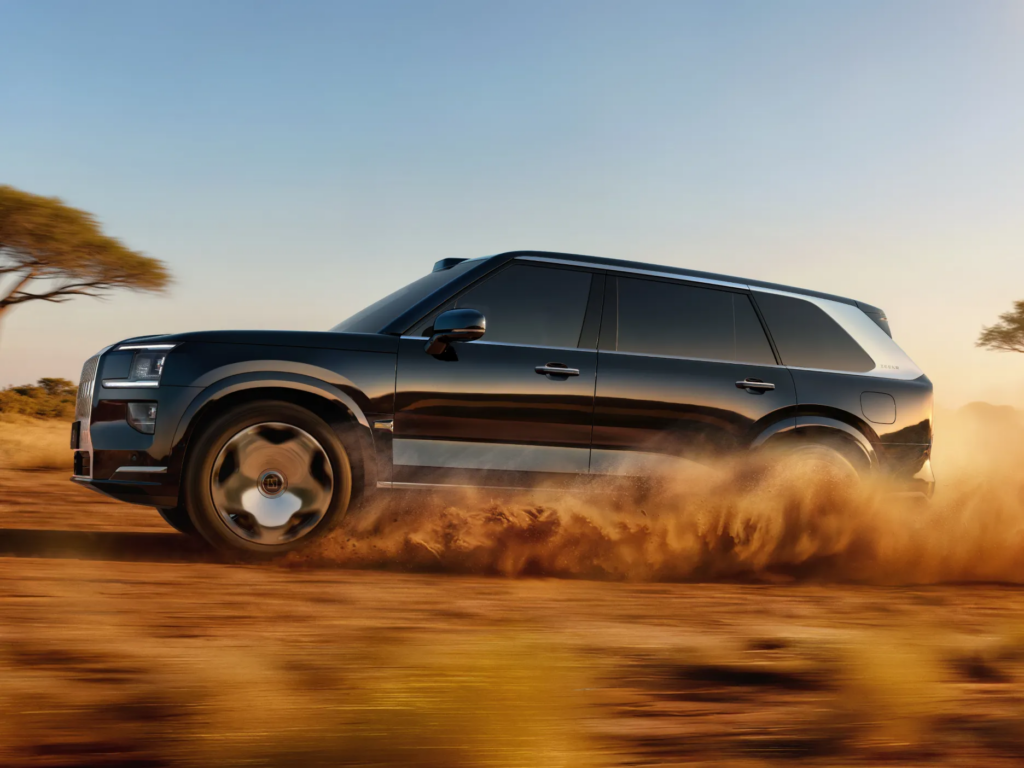
Positioned as an all-terrain hybrid SUV, fitted with closed dual-chamber air suspension offering up to 110 mm of suspension travel, plus a 48V active anti-roll bar. Seven terrain modes are pre-installed: grass/gravel, sand, mud, rock crawling and more. A dedicated sand mode is calibrated for Middle Eastern desert scenarios.
- Strengths: Raising the suspension significantly boosts ground clearance. Sand mode adjusts power output, ABS and traction control to reduce wheel slip, delivering stronger performance on shallow dunes and rocky Gobi terrain. High body torsional rigidity minimises frame distortion on rough, rugged roads.
- Drawback: The nearly 2.8-tonne curb weight makes it easier to get stuck in deep sand once traction is lost. The rubber dust boots of the air suspension accumulate sand and wear quickly in persistent dusty conditions. The undercarriage must be thoroughly cleaned after every desert trip to prevent fluid leaks and abnormal noises.
Off-Road Summary: Both models handle routine Gobi driving and light desert-edge trips well. If frequent dune bashing and rocky off-roading are required, the Zeekr 9X is the stronger option. For gravel road commuting and occasional Gobi overlanding, the Xpeng GX is sufficient with lower risk of chassis faults caused by sand.
3. Operating Costs in the Middle East: Energy Consumption, Maintenance, Warranty and Spare Parts
Total vehicle running costs in the Middle East consist mainly of charging/fuel fees, routine maintenance, consumable parts, warranty coverage and residual value.
Xpeng GX (Range Extender Version, Main Model for Middle East)
- Energy Consumption: Low combined consumption under high temperatures, highway speeds and full load. The range extender supports all-electric daily commutes plus long-distance trips with fuel, ideal for inter-emirate travel across UAE and Saudi Arabia. LFP batteries deliver stable performance in high heat with better controlled degradation in Middle Eastern climates.
- Maintenance: No precision components such as air suspension, resulting in fewer routine service items, mainly cabin air filters, brakes and battery inspections. Only periodic cleaning of chassis heat dissipation channels is required in dusty environments.
- Warranty: 8-year / 160,000 km battery warranty. LFP batteries offer superior high-temperature durability compared to NMC batteries, supporting better residual value in the Gulf used-car market.
- Drawback: The range extender engine requires timely oil changes if operated continuously under desert high temperatures.
Zeekr 9X (Hyper Hybrid)
- Energy Consumption: Heavy curb weight leads to markedly higher power consumption under high heat and off-road conditions. 900V ultra-fast charging excels for short urban all-electric trips, yet fuel and power consumption rise sharply under desert off-road operating conditions.
- Maintenance: The biggest cost comes from air suspension and CCD dampers, which are wear items in dusty environments. Underbody washing and suspension dust boot inspections are mandatory after every desert off-road outing, pushing maintenance costs higher than the Xpeng GX.
- Warranty: Middle East spec comes with an 8-year / 160,000 km battery warranty and 5-year / 150,000 km vehicle warranty. Air suspension is classified as a consumable part; some wear-related failures are not fully covered under the factory warranty, leading to high repair expenses later.
- Strength: Delivery and service networks are rapidly expanding across the Gulf region with sufficient spare parts inventory.
Cost Summary: For family daily use with annual mileage under 15,000 km, the Xpeng GX delivers lower total cost of ownership. Heavy off-road enthusiasts choosing the Zeekr 9X face higher purchase and long-term maintenance costs to access its superior off-road capability, with regular suspension upkeep required.
4. In-Cabin Features & Middle East Localization Adaptation
Middle Eastern buyers prioritise spacious 6-seater layouts, rear passenger comfort, strong sunlight ADAS, storage and temperature control, plus infotainment.
Xpeng GX
- 6-seat configuration with generous second and third-row legroom. Rear LC electrochromic glass is a highly favoured feature for Middle Eastern customers. It dims with one tap under intense sunlight, offering privacy and heat insulation without aftermarket window film.
- Second-generation VLA ADAS maintains reliable perception under harsh midday glare common in the Middle East, and highway NGP works reliably on Gulf intercity roads. The in-cabin air purification system automatically filters PM2.5 on dusty days.
- Cabin: Ventilated seats across all rows. The infotainment system supports Arabic language, paired with remote pre-conditioning, a must-have Middle Eastern function to cool the cabin before boarding.
- Shortcomings: No on-board refrigerator and lacks premium options such as rotating second-row seats.
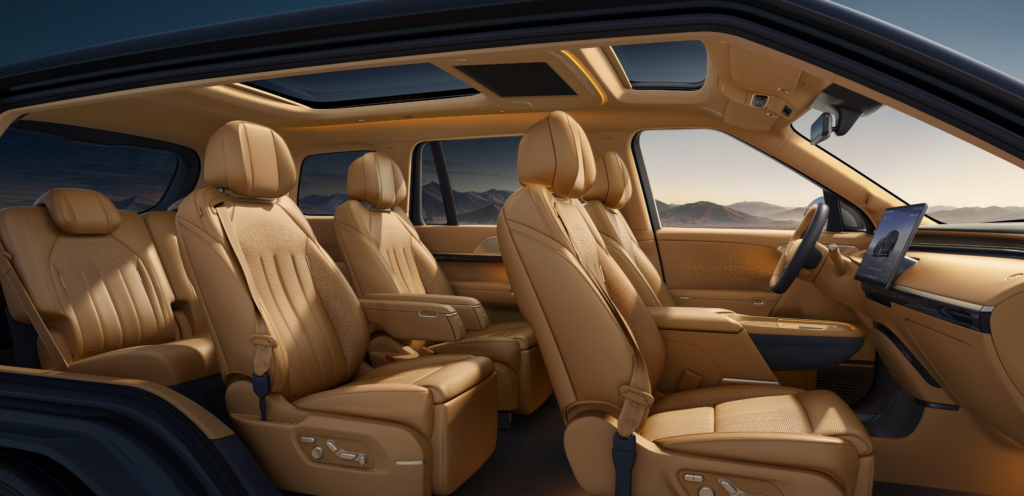
Zeekr 9X
- Fully loaded luxury features: 9L hot/cold on-board refrigerator, rotating second-row zero-gravity seats, ventilation/heating/massage for all seats, rear entertainment screens and fragrance system. Premium interior finish excels for receiving guests and family luxury travel.
- H7 ADAS from the Haohan platform equipped with LiDAR hardware. Air suspension height can be adjusted via the infotainment system with visualised off-road interface.
- Shortcomings: No electrochromic glass, leading to higher rear cabin temperatures under midday sun. The large suite of premium electronic components carries a slightly higher risk of intermittent faults under combined high heat and sand exposure.
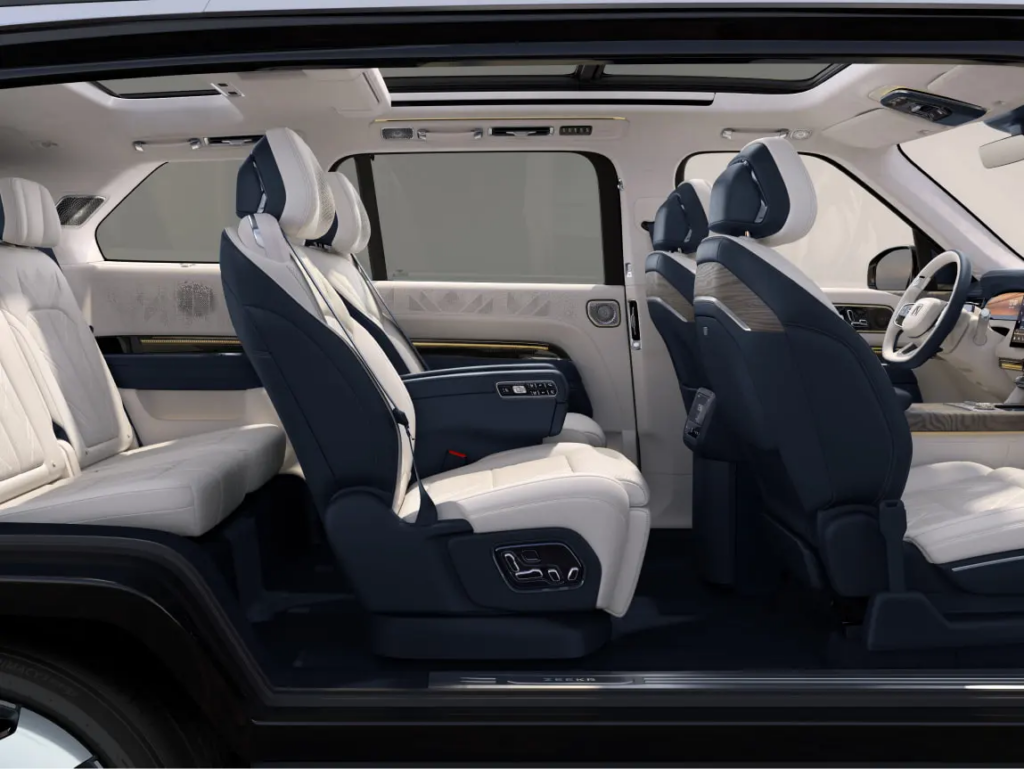
Feature Summary: Choose the Zeekr 9X for luxury hospitality, premium rear-seat comfort and an on-board fridge. The Xpeng GX is better suited for users prioritising sun protection, cabin cleanliness in dusty conditions and reliable ADAS for long highway trips.
5. Final Buying Guide
✅ Choose the Xpeng GX if you:
- Use the vehicle mainly for city commuting, cross-emirate highway travel and occasional light Gobi gravel trips, without frequent dune bashing;
- Value high-temperature cabin insulation, low running costs and stable battery performance, and wish to avoid the ongoing maintenance burden of air suspension;
- Travel with large families, prioritise cabin dust resistance and remote pre-cooling for daily transport.
✅ Choose the Zeekr 9X if you:
- Frequently go dune bashing and rocky Gobi off-roading, requiring adjustable ground clearance and multi-terrain modes;
- Desire premium rear-seat comfort, an on-board refrigerator and rotating seats for business receptions and luxury family trips;
- Have a sufficient budget, accept higher maintenance costs and commit to servicing the air suspension after off-road trips.
Objective Reminder: Neither model is a traditional hardcore fuel off-roader. For deep desert expeditions, sand tyres, underbody skid plates and recovery gear remain essential. For long-term outdoor parking in the Middle East, indoor garage storage is recommended for both vehicles to reduce battery and interior ageing caused by continuous intense sunlight exposure.