
The Voyah Titan X8 comes in two powertrain choices: EV and PHEV. It targets tough road conditions across Central Asia and the Middle East. This full-size new energy SUV uses a three-chamber air suspension. It also carries Huawei’s 4-LiDAR high-level ADAS. It blends off-road capability, ride comfort and smart driving for overseas buyers.
1. Central Asia All-Terrain Capability: Three-Chamber Air Suspension
1.1 Core Chassis Hardware for Wild Roads
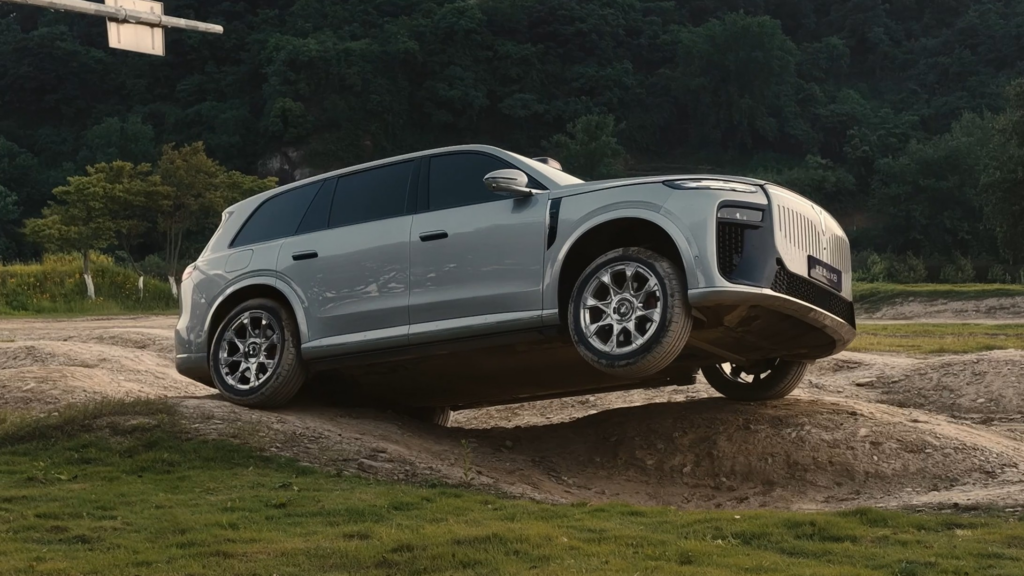
Central Asia hosts harsh, varied terrain. You will find high plateaus, shifting sand dunes and rough gravel tracks. Thin air weakens power in standard fuel cars. The Taishan X8 sits on the Qingyun 2.0 platform. Its three-chamber air suspension pairs with EDC Magic Carpet damping. This hardware forms the base for reliable cross-country travel.
The suspension delivers 105 mm of travel. Drivers can adjust ride height across five levels. Suspension stiffness switches through four settings. Seven driving modes adapt the chassis to different ground surfaces. Three separate air chambers offer wider stiffness adjustment than single or dual-chamber designs.
1.2 Desert and Plateau Real-World Performance
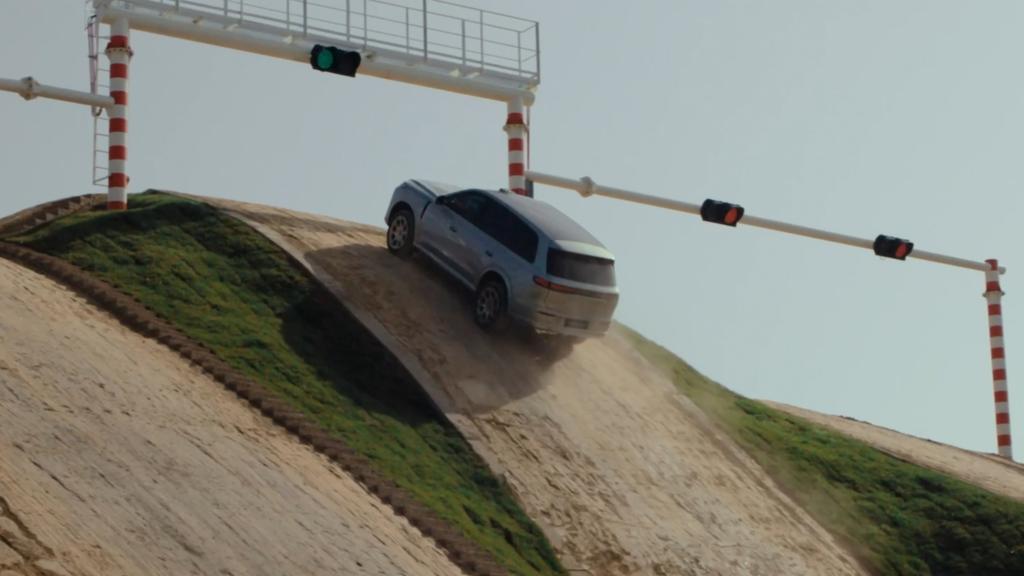
Switch to off-road mode in desert terrain. The car lifts to its maximum 238 mm ground clearance. Torque vectoring AWD limits wheel slip and sand bogging. The suspension adjusts support at each wheel. It reduces body pitch and roll over rolling dunes. The large SUV stays stable over bumpy, rutted ground.
The EV and PHEV models show different strengths on high plateaus. The EV runs on an 800V high-voltage platform. Altitude does not hurt its power output. The PHEV carries a 65 kWh battery. It offers 370 km pure electric range and 1506 km total range. This fits Central Asia’s sparse charging and refueling network.
The chassis stiffens automatically on winding mountain roads. It cuts body roll during cornering. 16° bi-directional rear-wheel steering shrinks the turning radius to 5.4 meters. This 5.2-meter SUV handles tight mountain turns and narrow trail passes easily. EV and PHEV share the same Huju-A intelligent chassis. Ride quality and off-road performance stay consistent.
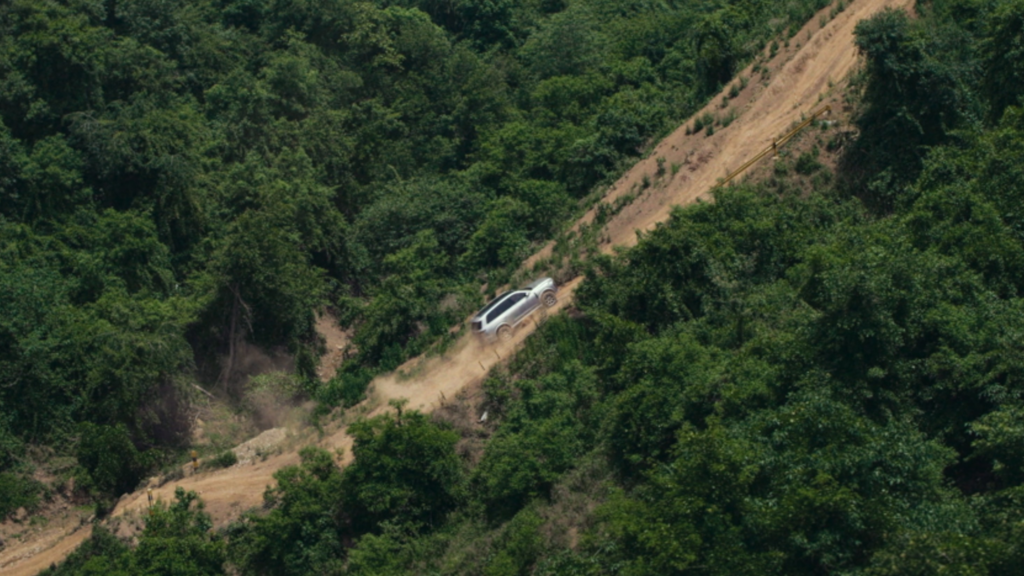
Voyah Titan X8 all-terrain performance Central Asia desert plateau
2. Middle East Adaptive Intelligent Driving: 4-LiDAR High-Level ADAS
2.1 Unique Driving Challenges in the Middle East
The Middle East brings its own set of road challenges. Strong sunlight pushes surface temperatures very high. Dust floats in the air and disturbs sensor readings. City traffic mixes cars, motorcycles and pedestrians. Many suburban roads lack clear lane markings. Loose sand, rubble and debris often sit on pavement.
Night routes have poor lighting. Small low obstacles like stones and tire fragments are hard to spot. Traditional single-LiDAR systems struggle here. Bright sun and dust can trigger detection errors or sudden system shutdowns. Local users need more robust driving assistance.
2.2 4-LiDAR Full-Coverage Perception Hardware
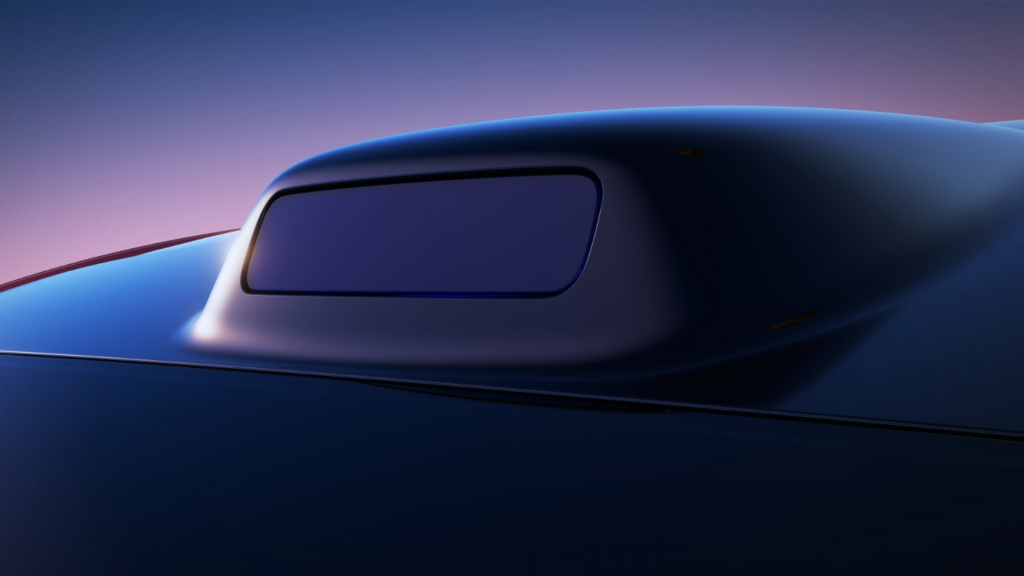
The Taishan X8 uses a 4-LiDAR perception suite. One 896-line dual-optical main LiDAR sits at the front. Three solid-state LiDARs cover blind spots around the body. Five 4D millimeter-wave radars and 34 sensors build a full 360° perception network.
The front LiDAR spots low-reflection hazards up to 122 meters away. It detects small 14 cm objects such as stones and bollards. Side and rear LiDARs pick up curbs and roadside trenches. Millimeter-wave radars fill in gaps when dust clouds weaken LiDAR signals. The ADAS keeps running reliably without unexpected drops.
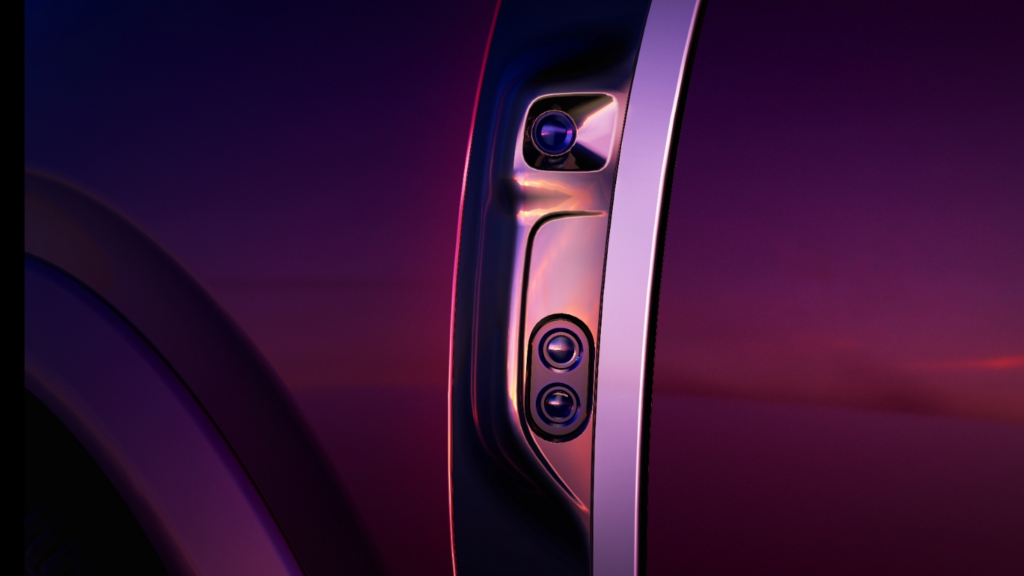
4-LiDAR intelligent driving for hot dusty regions
2.3 Localized ADAS Experience
The high-speed navigation assist handles busy Middle East city traffic. It reacts to jaywalkers and sudden lane changes. Deceleration and evasion feel smooth, not jerky. On unmarked suburban roads, the system does not rely on painted lines. It maps road edges in real time and keeps the vehicle centered.
Headlight glare at night does not break obstacle detection. The 4-LiDAR setup measures side distances on narrow lanes. It helps drivers avoid scrapes. EV and PHEV use identical ADAS hardware. Smart driving performance matches across both versions.
3. EV & PHEV Dual Powertrains: Fit Different Overseas Use Cases
Both variants share the same chassis and ADAS hardware. Their energy systems serve different user needs. The EV uses an 800V platform with 5C ultra-fast charging. It charges from 20% to 80% in just 12 minutes. It works best for city users with fixed charging access.
The PHEV needs no charging piles to operate. It suits long cross-country trips and remote regions. It removes range anxiety for exploration in Central Asia and the Middle East. It handles daily commutes and wilderness expeditions alike.
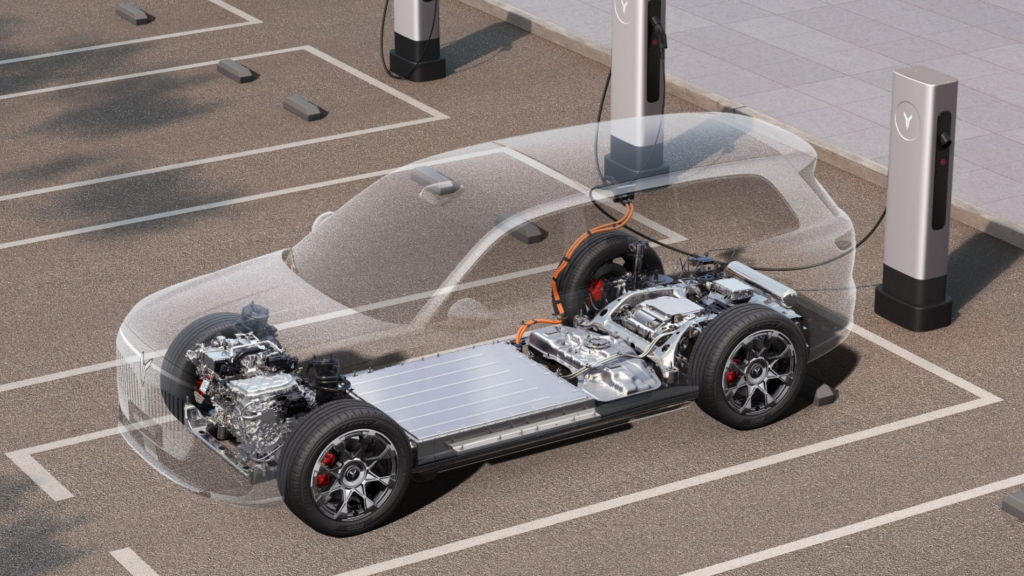
4. Conclusion: Premium New Energy SUV for Harsh Overseas Markets
The Voyah Titan X8 EV and PHEV break old SUV design limits. Its three-chamber air suspension shifts smoothly between city comfort and off-road readiness. It conquers Central Asian deserts, plateaus and unpaved trails. Its 4-LiDAR ADAS copes with Middle East heat, dust and messy traffic.
One unified chassis and perception system works with two powertrain options. The vehicle balances business comfort and wilderness capability. It offers a strong new-energy SUV choice for buyers in Central Asia and the Middle East.