
For ride‑hailing, taxi and commercial fleet operations, charging speed directly impacts daily revenue. The benefits of an 800V high‑voltage platform go far beyond fast charging alone. It maintains stable charging power and reliable thermal management during frequent top‑ups and continuous shifts, even in hot climates. Once reserved for premium performance vehicles, the 800V architecture is now available on a growing range of affordable mass‑market electric cars.
Below are five models from distinct brands. All feature native 800V high‑voltage systems and are analysed with ride‑hailing and fleet use cases in mind.
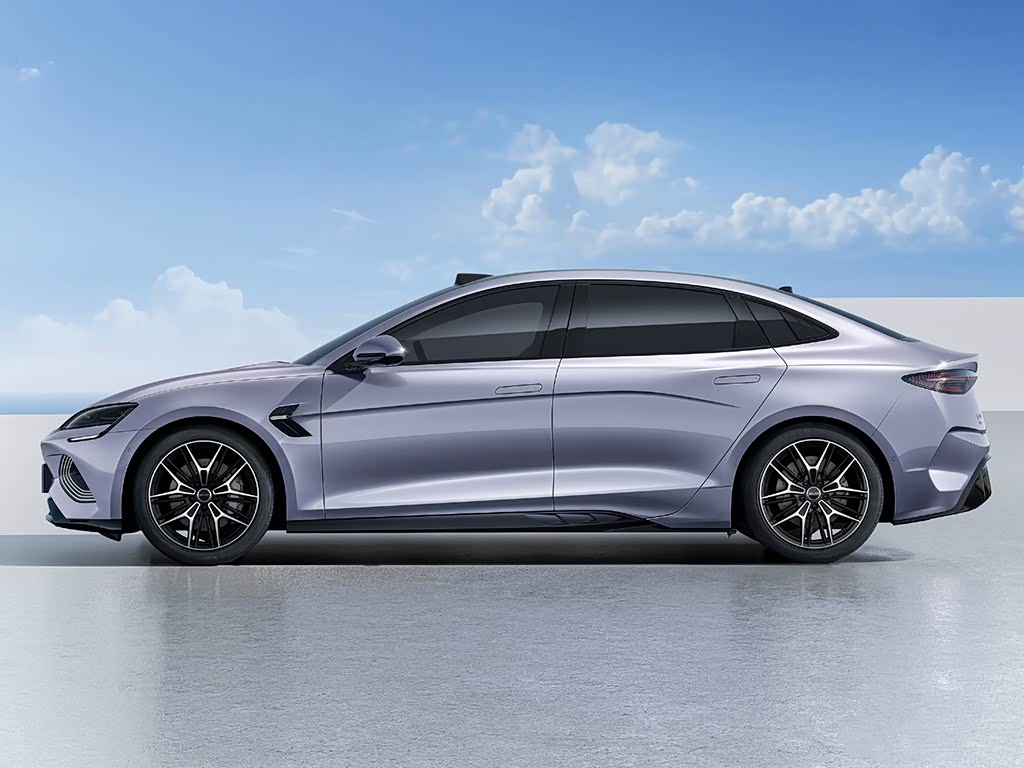
1. BYD | SEAL
The BYD SEAL is built on the e‑Platform 3.0. Its 800V variant is a streamlined sedan designed for both private buyers and overseas commercial fleets. Under DC fast charging, the SEAL can charge from 10% to 80% in roughly 15–20 minutes. Drivers can top up during meal or shift breaks, cutting downtime. Its low drag coefficient delivers efficient highway energy consumption, making it suitable for city rides plus short intercity trips. Rear passenger comfort meets the standard for Uber Comfort bookings. BYD’s core strengths lie in its proven Blade Battery, rapid global expansion, and improving spare‑parts supply chains across Latin America, Southeast Asia and the Middle East. Drawbacks: The sloping roofline limits rear headroom and vertical boot space, so it is less practical for oversized luggage. Official service coverage is still expanding in some emerging markets. Best suited for bulk fleets prioritising brand recognition and battery reliability.
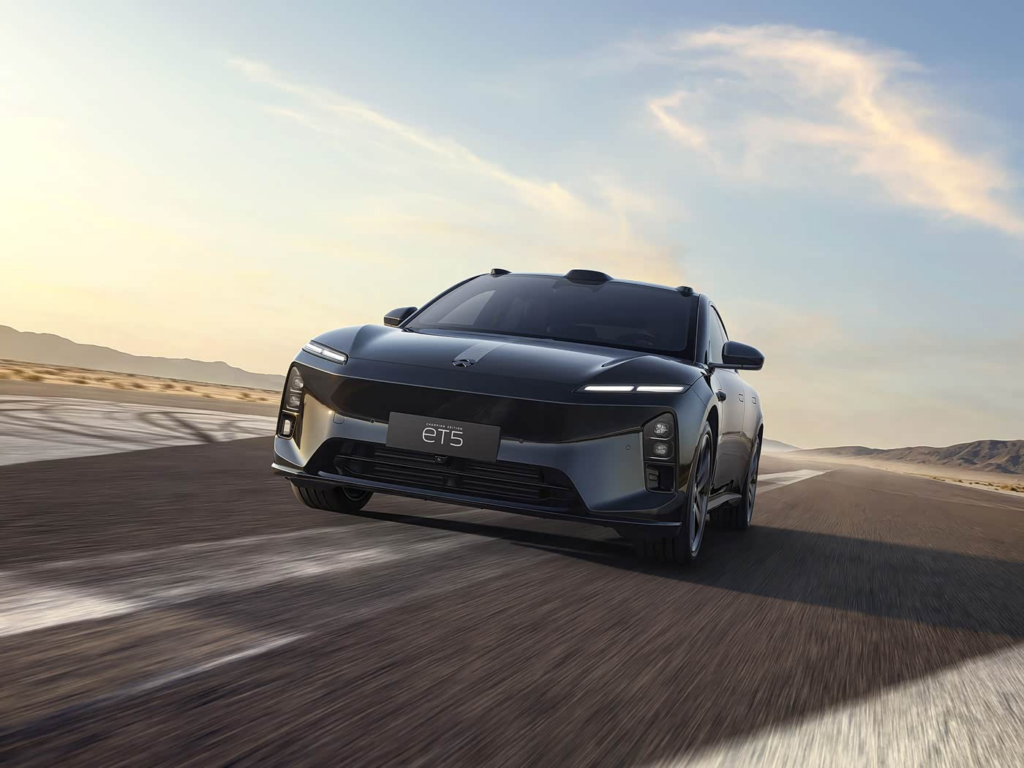
2. NIO | ET5
The NIO ET5 sits on NIO’s second‑generation 800V platform. This mid‑size electric sedan falls into the accessible premium segment and is widely adopted by high‑end ride and transfer fleets overseas. It completes a 10%–80% DC charge in around 18 minutes. What sets the ET5 apart is battery swap capability — a game‑changer for intensive operations. Where swap stations are available, drivers can get a fully charged pack in about 3 minutes, beating even ultra‑fast DC charging. The suspension is tuned for comfort, cabin noise isolation is excellent, and standard active safety features help deliver a premium passenger experience, ideal for high‑comfort ride services. Drawbacks: Upfront purchase cost is higher than peer Chinese EVs. Its swap advantage only works where swap infrastructure exists; without stations, it relies on regular fast charging. NIO service networks are concentrated in major cities. Best suited for airport transfers and Uber Comfort fleets operating in cities with established NIO service infrastructure.
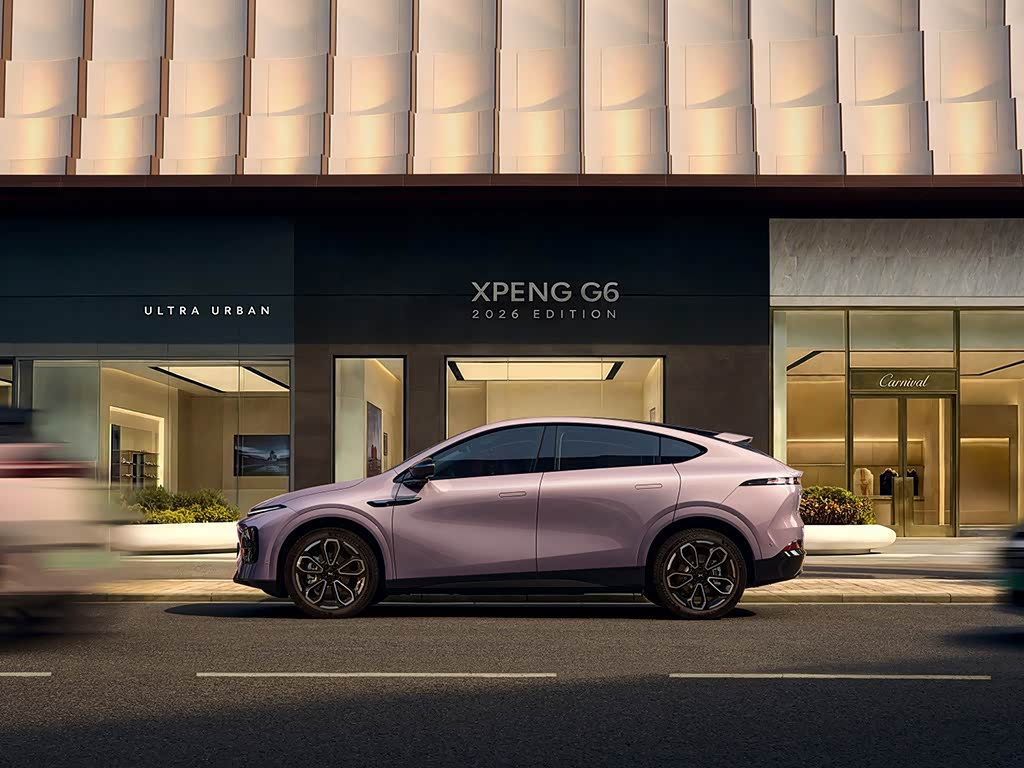
3. Xpeng | G6
The Xpeng G6 runs on Xpeng’s all‑in‑one 800V SiC platform and is one of the most compelling fast‑charging SUVs in the affordable 800V category, equally fit for private use and fleet work. Its headline charging stat: 10% to 80% in as little as 12 minutes. It sustains high charging power without sharp drop‑offs. With a 2,890 mm wheelbase, the rear cabin is spacious and the boot offers generous luggage capacity. Advanced driver assistance and automated parking ease fatigue during long hours of ride‑hailing. Drawbacks: Xpeng’s overseas aftersales network is still scaling up, and spare‑part lead times can be longer in certain regions. Best suited for fleets in markets with local Xpeng service points, where operators want maximum charging speed to fit more rides each day.
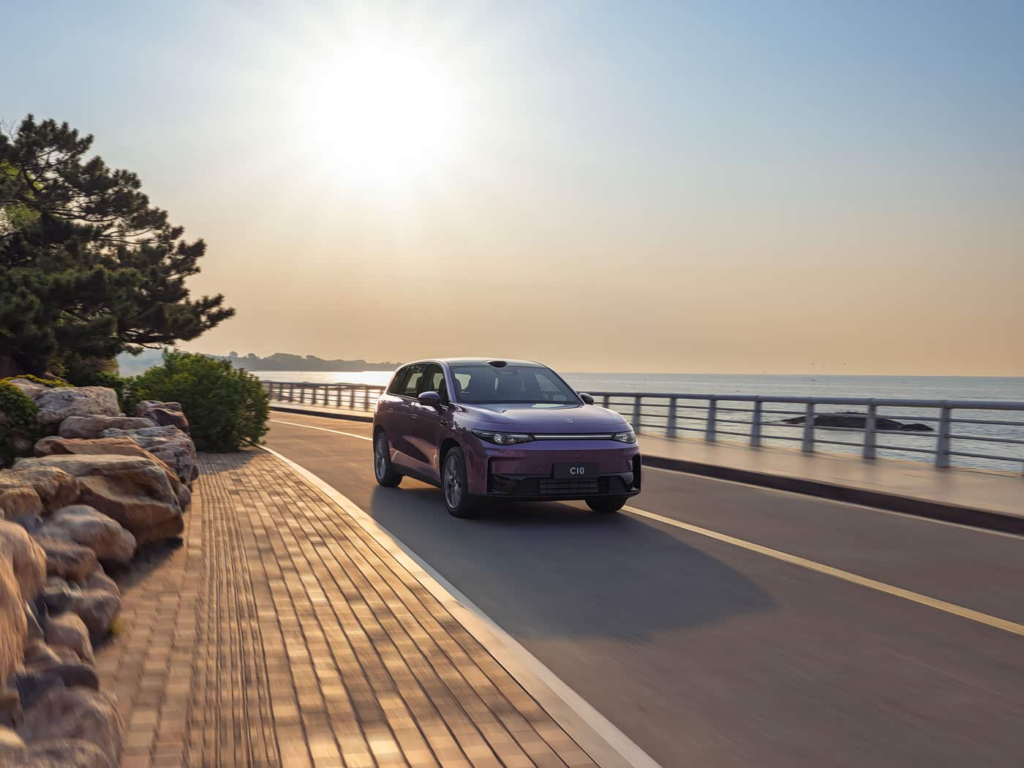
4. Leapmotor | C10
The Leapmotor C10 brings a native 800V SiC platform into the entry‑friendly mid‑size SUV segment. It targets cost‑conscious overseas fleet buyers with generous standard equipment and competitive pricing. It charges 10%–80% in approximately 18 minutes, which satisfies the routine charging demands of ride‑hailing operations. The 2,825 mm wheelbase delivers ample rear legroom and solid comfort for passengers. Its biggest commercial advantage is low acquisition cost for bulk orders, shortening payback periods — a strong selling point in price‑sensitive markets across Latin America and the Middle East. Drawbacks: Low brand awareness in many overseas regions, limited official service coverage, and weaker residual values. It typically depends on trusted local repair partners. Best suited for large‑volume fleets with local maintenance support, focused on keeping capital expenditure low.
5. ZEEKR | 007
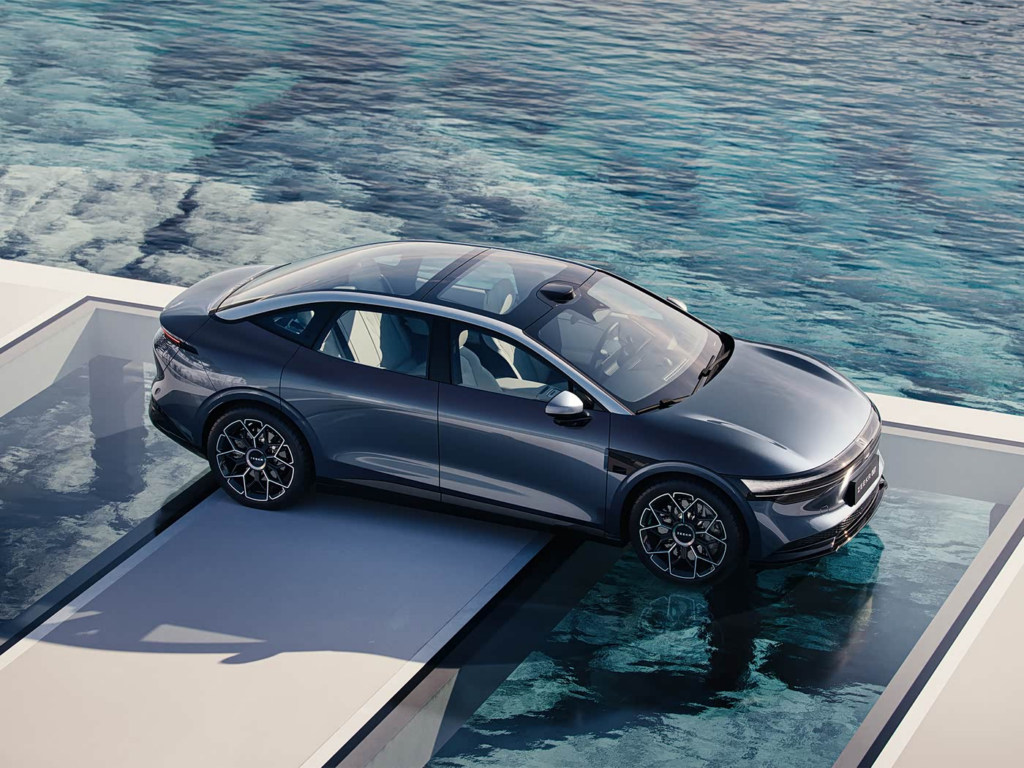
The ZEEKR 007 is a mid‑size electric sedan built on ZEEKR’s 800V architecture. It is tuned for balanced range and refined ride quality, targeting premium ride services such as Uber Comfort. A 10%–80% charge takes around 15 minutes. Rear‑wheel‑drive versions demonstrate strong energy efficiency and minimal range degradation at highway speeds, working well for city runs and intercity journeys alike. The suspension filters road bumps smoothly and seats are plush; the overall cabin refinement outshines many SUV rivals at a similar price tier, helping earn better passenger ratings. Drawbacks: Sedans are less convenient for entry/exit and bulk luggage than SUVs. ZEEKR’s overseas sales and service footprint is still growing. Best suited for city‑based comfort ride fleets where operators prefer sedan ride feel.
Comparison Table
| Brand | Model | Platform | 800V Charging (10%–80%) | Fleet Strengths | Key Limitations |
|---|---|---|---|---|---|
| BYD | SEAL | e‑Platform 3.0 | ~15–20 mins | Reliable Blade Battery, growing global footprint, good efficiency | Sloping roof restricts rear headroom and boot space; limited service in some regions |
| NIO | ET5 | NIO 2nd‑gen 800V | ~18 mins | Battery swap available, quiet and comfortable, premium passenger experience | Higher upfront cost; swap benefit tied to station availability |
| Xpeng | G6 | Xpeng 800V SiC Platform | ~12 mins | Class‑leading fast charging, spacious cabin, strong ADAS | Overseas aftersales network still expanding |
| Leapmotor | C10 | Native 800V SiC | ~18 mins | Low purchase cost, high specification, fast payback for fleets | Low overseas brand recognition, weaker resale value |
| ZEEKR | 007 | ZEEKR 800V Architecture | ~15 mins | Premium ride comfort, stable highway efficiency | Sedan layout less practical for luggage; overseas network under development |
Conclusion: How to Choose for Your Target Market
For cost‑sensitive markets such as Latin America and Southeast Asia: BYD SEAL or Leapmotor C10. The SEAL wins on brand trust and battery durability, while the C10 delivers the lowest initial investment. Where Xpeng service infrastructure is available and charging speed is the top priority: Xpeng G6 maximises daily ride volume. For airport transfers and premium Uber Comfort services in major cities: NIO ET5 stands out, especially where battery swap stations are present. For urban comfort ride fleets that prefer sedan refinement: ZEEKR 007 is an excellent pick.
The value of an 800V high‑voltage platform for affordable EVs is not only about headline charging figures. Faster, more consistent charging and improved thermal stability translate into more time on the road and less downtime. This is why 800V electric vehicles are rapidly becoming a preferred option for global ride‑hailing and commercial fleets.